When Bodyweight Gets Too Easy
You have been doing squats and push ups for a few weeks.
Last month, ten reps felt hard. Now you finish a set and feel like you could keep going.
That is good news. It means you got stronger.
It also means your body needs a new challenge. Without one, progress slows down.
The fix is not always heavier weights. If you train at home, you have plenty of options.
Does Bodyweight Training Really Work?
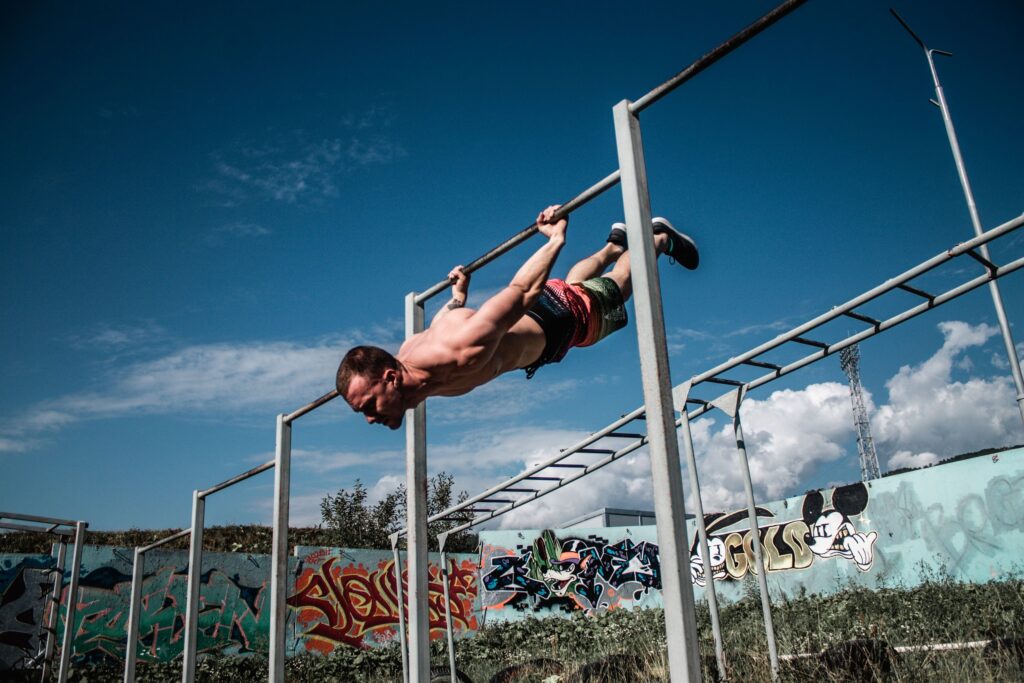
Yes, as long as you keep making it a little harder.
One study compared progressive bodyweight squats to barbell back squats in young women who did not exercise much. Both groups gained strength and muscle.
Another study compared push ups to the bench press. Both groups got stronger in the upper body.
The key word is progressive.
Your body adapts to whatever you repeat. To keep growing, the exercise has to get slightly harder over time.
Is It Time to Level Up?
Here is a simple check.
If you can finish all your sets with two or three reps still left in the tank, and it feels that way for two workouts in a row, it is time.
If you are still shaking through the last rep, stay where you are a little longer. Hard is good. Sloppy is not.
One Rule Before You Start

Change only one thing at a time.
If you change the exercise, the speed, and the reps all in one week, you will not know what worked.
And if something feels off, you will not know what to undo.
Pick one dial. Turn it for a few weeks. Then pick another.
Dial 1: Add Reps and Sets
This is the easiest place to begin.
Aim to add about 10 to 20 percent more work from one week to the next.
If you did 3 sets of 10 squats, try 3 sets of 11 or 12. Or add a fourth set.
Once the reps climb very high, switch dials. Sets of 30 push ups build endurance, but there are smarter ways to add challenge.
Dial 2: Move Up the Ladder

Most bodyweight moves have easier and harder versions.
Push ups are a good example. You can go from incline push ups, to standard push ups, to decline push ups with your feet raised.
Squats work the same way. Go from a basic squat, to a squat with a pause at the bottom, to a split squat.
The most common mistake is skipping two steps at once.
You cannot do the new version with good form, so you slide back down feeling stuck. Take one step at a time.
Dial 3: Train One Side at a Time
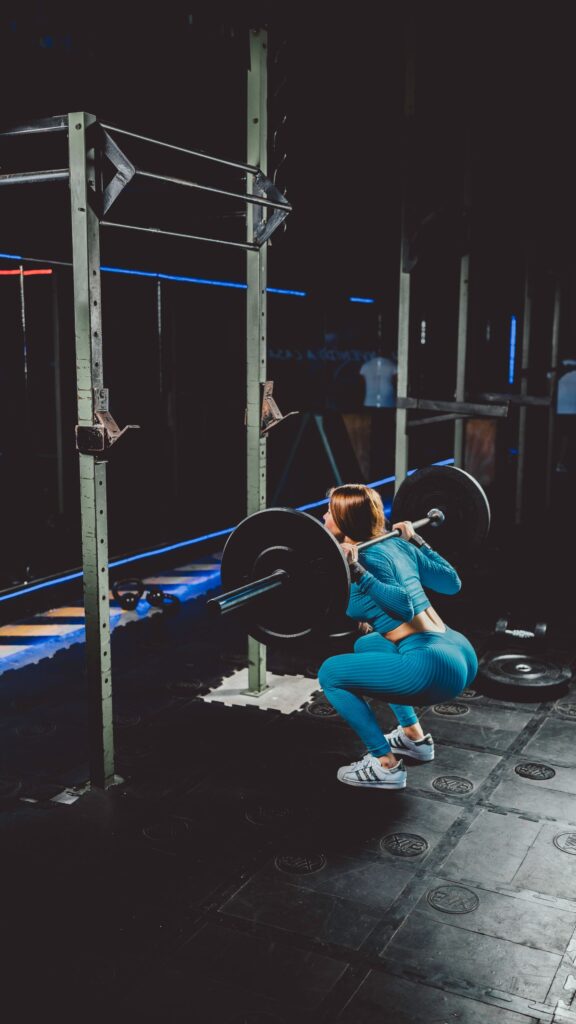
Working one arm or one leg at a time makes an exercise much harder without adding any weight.
Try split squats, step ups, or single leg glute bridges.
This also shows you whether one side is weaker than the other. That is very common, and it is useful to know.
One note of care.
Your joints and tendons can get tired before your muscles do with this style. Start with a few reps per side and build up slowly.
Dial 4: Slow Down
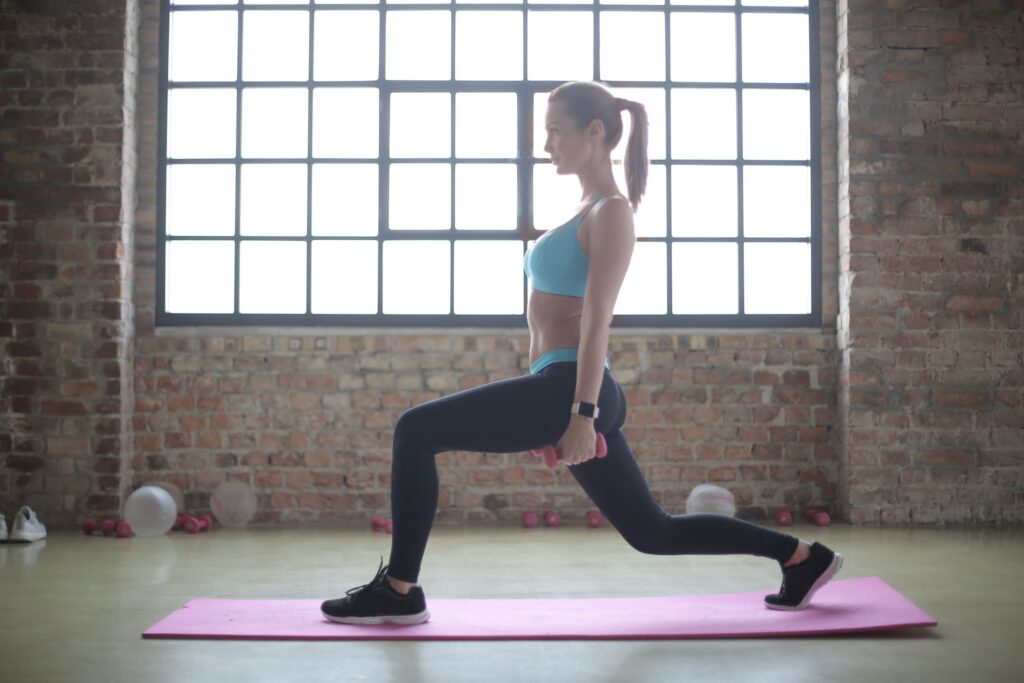
Try lowering yourself for three seconds instead of dropping fast.
Research suggests a pace of about 2 to 8 seconds per rep works well for building muscle.
But do not turn every rep into slow motion. Reps that last longer than about 10 seconds seem to work less well for muscle growth.
A simple pattern to try is three seconds down and one second up.
A squat that used to feel easy will feel brand new.
Dial 5: Add a Pause
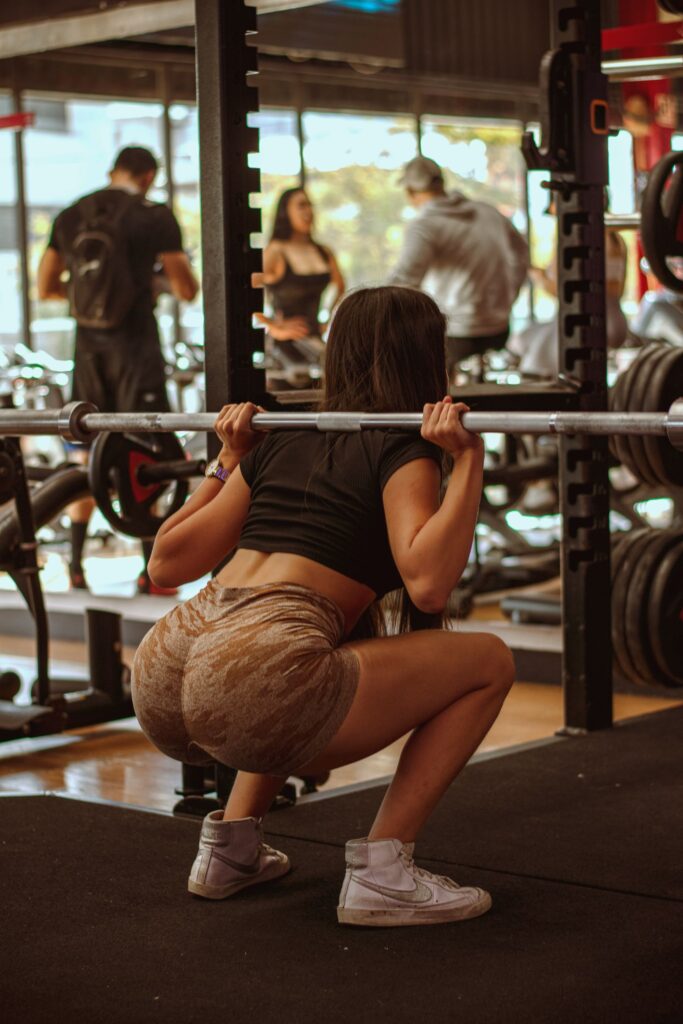
Hold the hardest part of the move for two seconds.
Pause at the bottom of a squat. Pause with your chest just above the floor in a push up.
A pause takes away momentum. Your muscles have to do all the work, with no bounce to help.
Dial 6: Add Weight
Once you are strong, a little extra load goes a long way.
You do not need gym equipment for this. A backpack filled with books works well for squats and lunges.
Water bottles or cans can add load to lighter moves.
Start small. You can always add more next week.
A Simple Four Week Example
Say you want to improve your squat.
Week 1: Add reps until you reach 3 sets of 15.
Week 2: Slow it down. Take three seconds on the way down.
Week 3: Add a two second pause at the bottom.
Week 4: Try split squats, a few reps on each side.
Notice that each week changes just one thing.
That is what makes it easy to see what is working.
What If My Form Falls Apart?

Go back one step.
There is no prize for rushing. A slightly easier version done well will build more strength than a harder version done badly.
Good form protects your joints, and it makes sure the right muscles are doing the work.
Do Not Skip Recovery

Harder training needs good recovery.
Your muscles repair after the workout, not during it.
Keep your rest days. Eat enough protein. Get good sleep.
Progress shows up when effort and recovery work together.
Your Next Step
Pick one exercise you do often.
Choose one dial and try it for two weeks.
If it feels right, keep going. If it does not, try a different dial.
You do not need a gym to keep getting stronger. You just need to keep asking a little more of your body, one small step at a time.