Strength Training for Complete Beginners
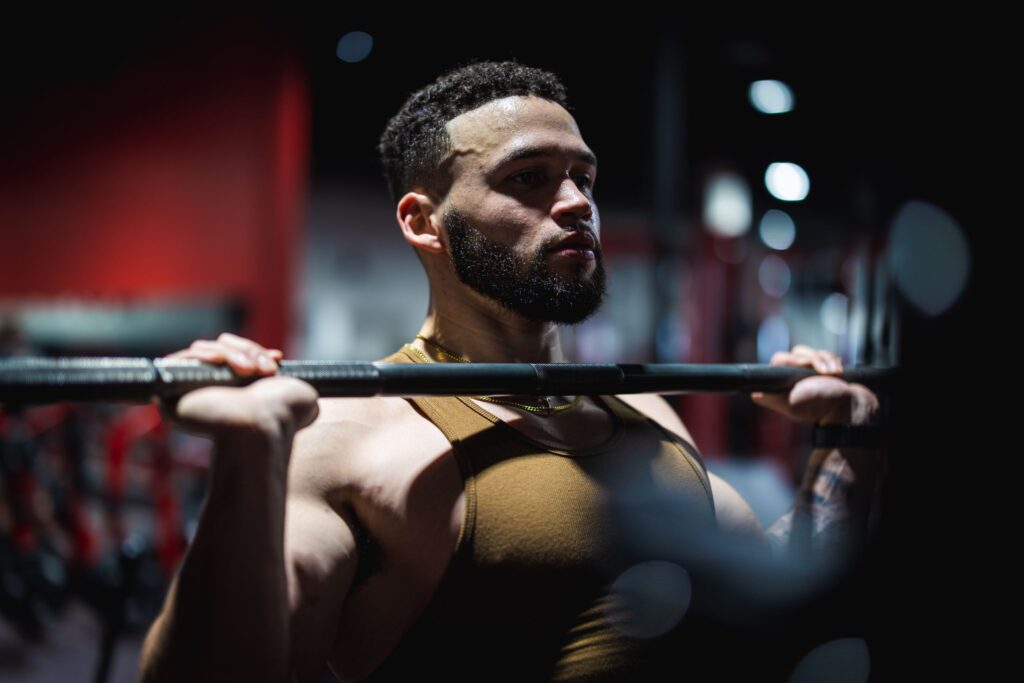
Starting strength training can feel confusing before you even pick up a weight.
Sets, reps, frequency, it sounds like a lot to figure out before doing anything.
Here is the simple version, based on the most current research available.
The Good News First

Recent guidelines from the American College of Sports Medicine simplified things in a big way.
The old advice used to say you needed a specific number of sets, reps, and days to see results.
The updated guidance says something more encouraging.
Some strength training is better than none, and there is no strict minimum required for it to count.
In fact, research shows that going from doing zero strength training to doing just one session a week produces the biggest jump in benefit of all.
Everything after that first session builds on top of real progress you have already made.
What Beginners Should Actually Do

Based on current guidelines, here is a simple starting point:
Sessions per week 1 to 2 full body sessions to start Sets per exercise 1 to 3 Reps per set Anywhere in the 8 to 12 range works well,
though research shows a wider range still builds strength
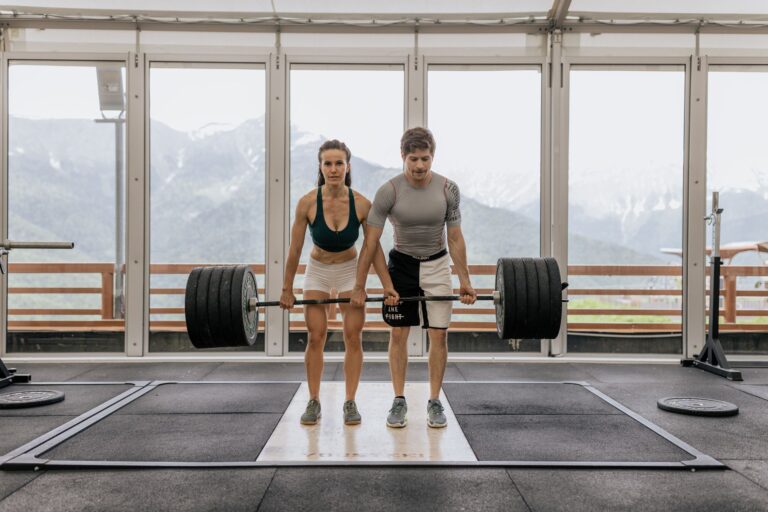
Exercises Aim to cover 4 to 6 different movement patterns, like squatting, pushing, pulling, and hinging
You do not need to chase a perfect number here.
The research is clear that consistency matters far more than precision when you are just starting out.
What to Actually Focus On

Form over weight Learning correct movement patterns matters more than how much you lift in the beginning.
Lighter weight with good form builds a foundation that heavier weight with poor form cannot.
Effort matters more than an exact rep count Newer research shows that training close to failure,
meaning close to the point where you could not do another rep with good form,
matters more than hitting a specific number.
This means a wider range of reps, done with real effort, can still build strength effectively.
Rest between sets Somewhere between 60 and 90 seconds between sets gives your muscles enough recovery without losing momentum in your workout.
A Simple Beginner Full Body Routine
You can do this two to three times a week, with at least one rest day between sessions.
- Bodyweight squats or goblet squats, 2 sets
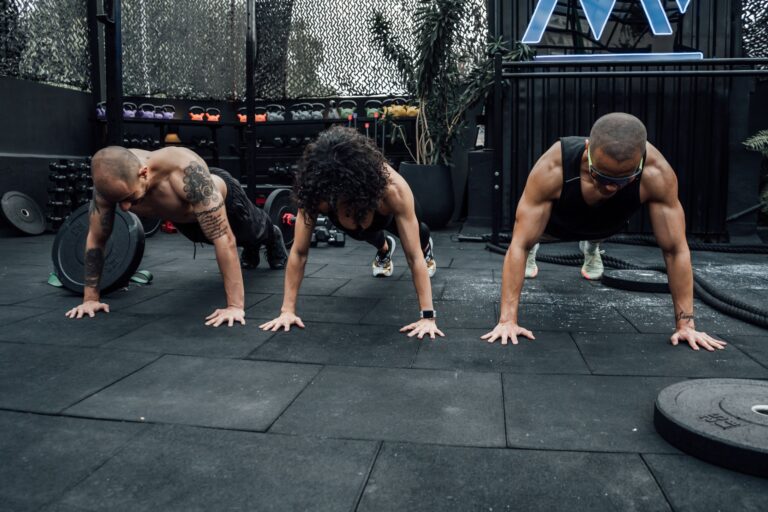
- Push ups, modified if needed, 2 sets
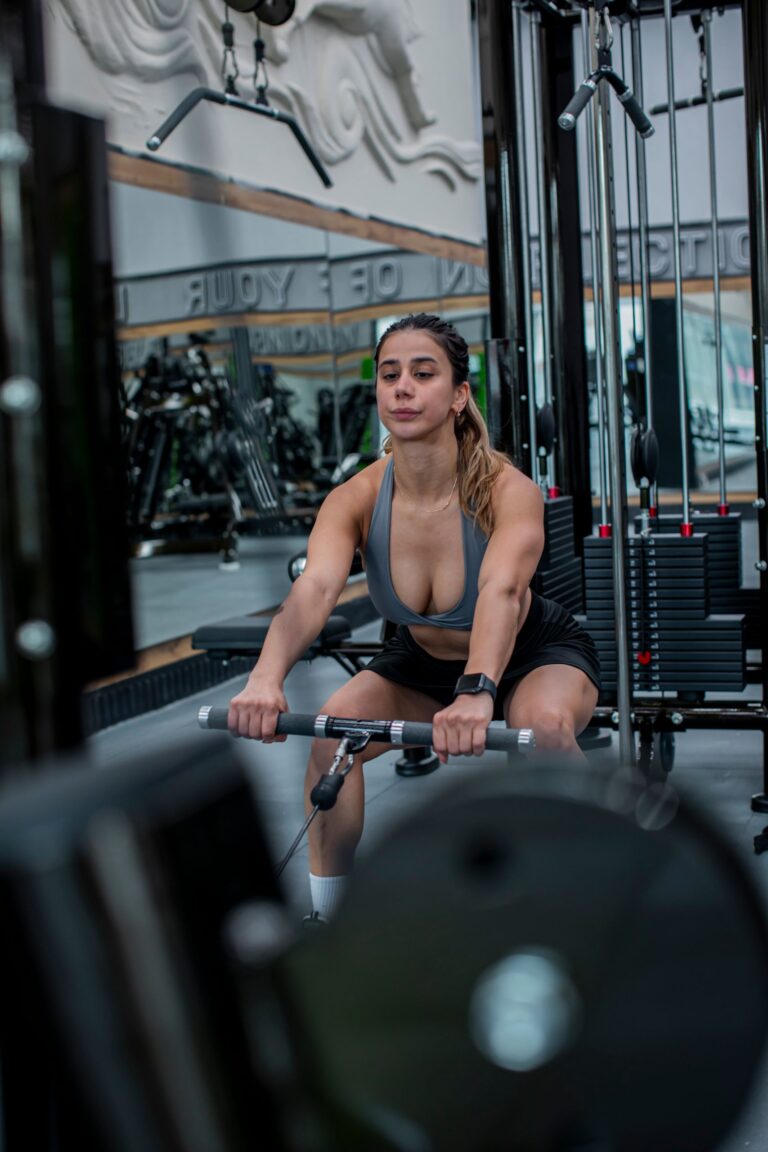
- Bent over rows using dumbbells or a resistance band, 2 sets
- Glute bridges, 2 sets
- Plank hold, 2 sets
Start light, or with just your bodyweight, and focus on control rather than speed.
How to Know You Are Progressing

You do not need the scale or the mirror to tell you strength training is working.
Early progress often shows up as small, practical wins.
Carrying groceries feels easier. Getting up from the floor feels smoother.
These are real signs of progress, even before anything looks different.
A Gentle Reminder
If you are new to exercise, have an injury, or a health condition,
it is worth checking with a doctor before starting a new strength routine.
Beyond that, be patient with yourself.
Everyone starts as a beginner, and the research is clear that showing up consistently matters far more than doing it perfectly from day one.