Why Strength Training Matters as You Age

Muscle loss is often talked about like something that just happens with age, quietly and without much you can do about it.
The truth is more hopeful than that.
Strength training is one of the most effective tools we have to slow this process down,
and in some cases, even reverse parts of it.
What Actually Happens to Muscle as You Age
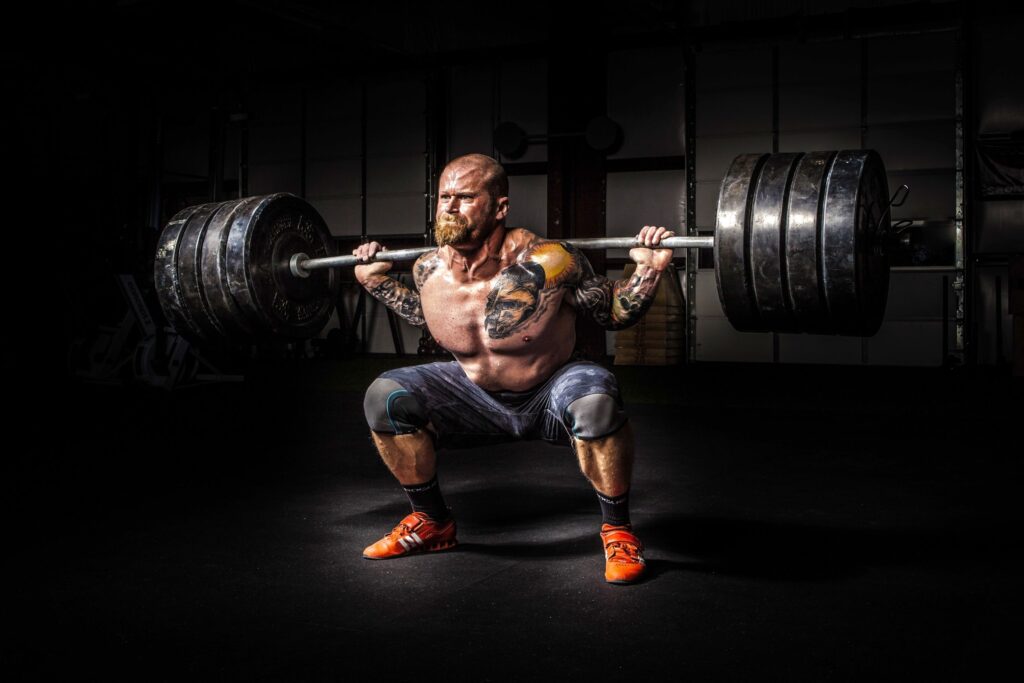
Starting in your thirties,
most people begin losing muscle mass gradually,
a process called sarcopenia.
Without intervention,
this loss continues and can eventually affect balance, strength,
and the ability to do everyday tasks like climbing stairs or carrying groceries.
This is not a small or rare issue.
It affects a significant portion of older adults,
and it plays a direct role in fall risk, independence, and overall quality of life later in years.
Strength Training Changes This Pattern

Research consistently shows that resistance training improves outcomes for older adults,
even those who already have significant muscle loss.
A recent review of multiple studies found that resistance training meaningfully improved grip strength, gait speed,
and the ability to rise from a chair,
all practical measures tied to daily independence,
not just numbers on a strength test.
Even more encouraging,
research shows that starting resistance training later in life, even in your seventies,
still produces measurable improvements.
It is genuinely never too late to begin.
The Bone Connection
Muscle is not the only thing at stake.
Bone density naturally declines with age too, especially for women after menopause.
Research has found that progressive resistance training done at least three times a week can meaningfully improve bone density.
At key areas like the hip and lower spine,
sites that are common locations for fractures later in life.
This matters because bone and muscle work together.
Strong muscles support and protect your bones,
while resistance training itself provides the type of loading your bones need to stay dense and resilient.
It Protects More Than Strength
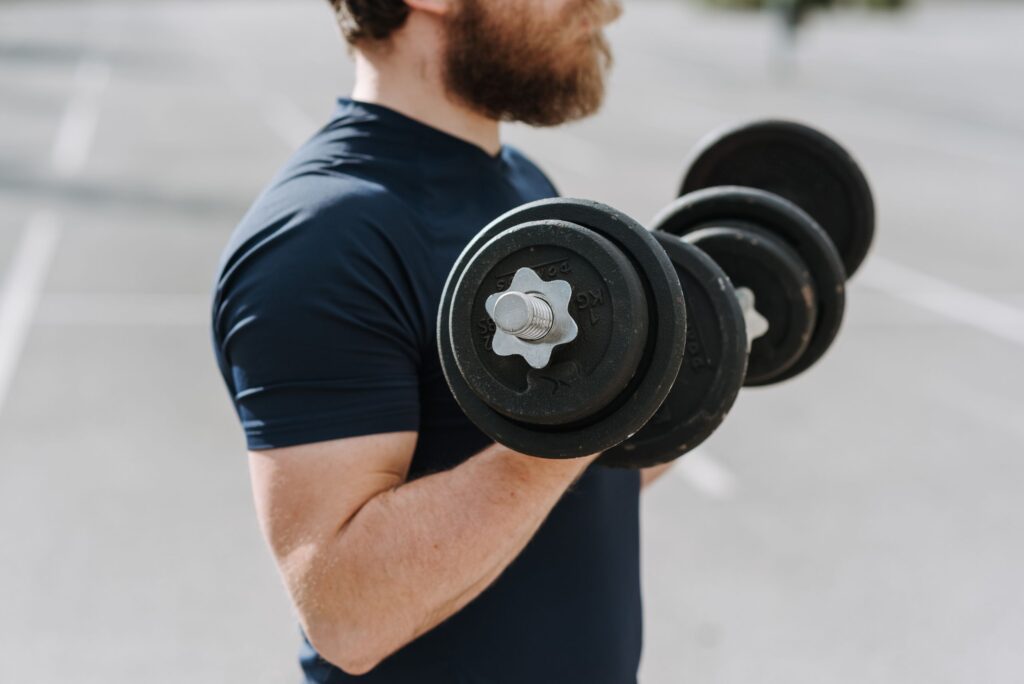
Beyond muscle and bone, research links regular strength training in older adults to improved balance and a lower risk of falling,
one of the most serious health risks for aging adults.
Falls are a leading cause of injury and loss of independence later in life,
which makes this benefit just as important as any change in appearance or muscle size.
What This Looks Like in Practice
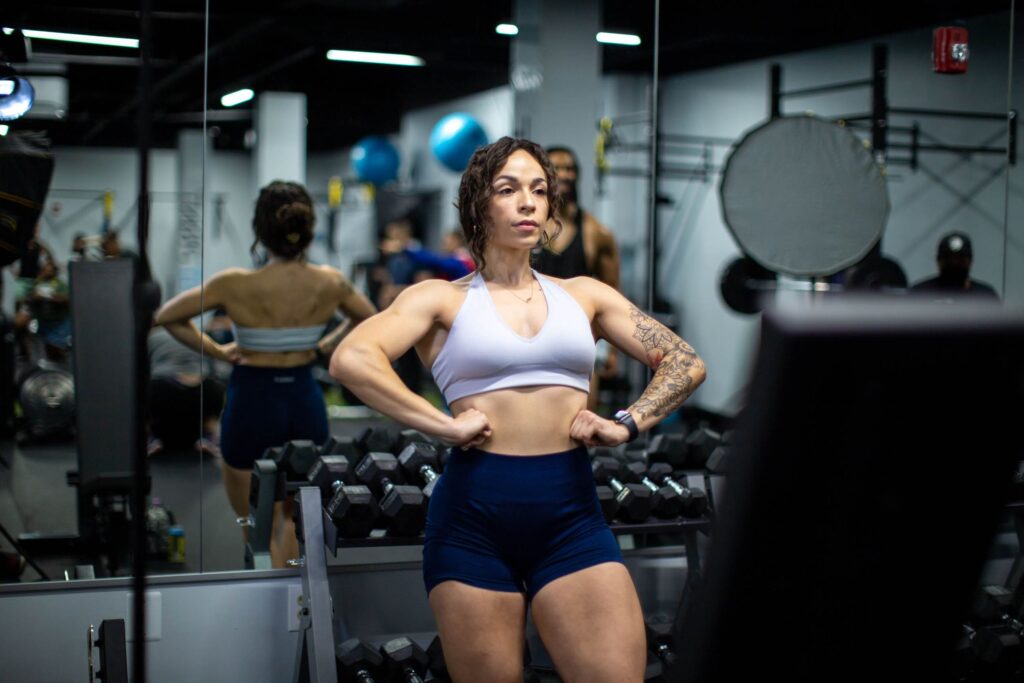
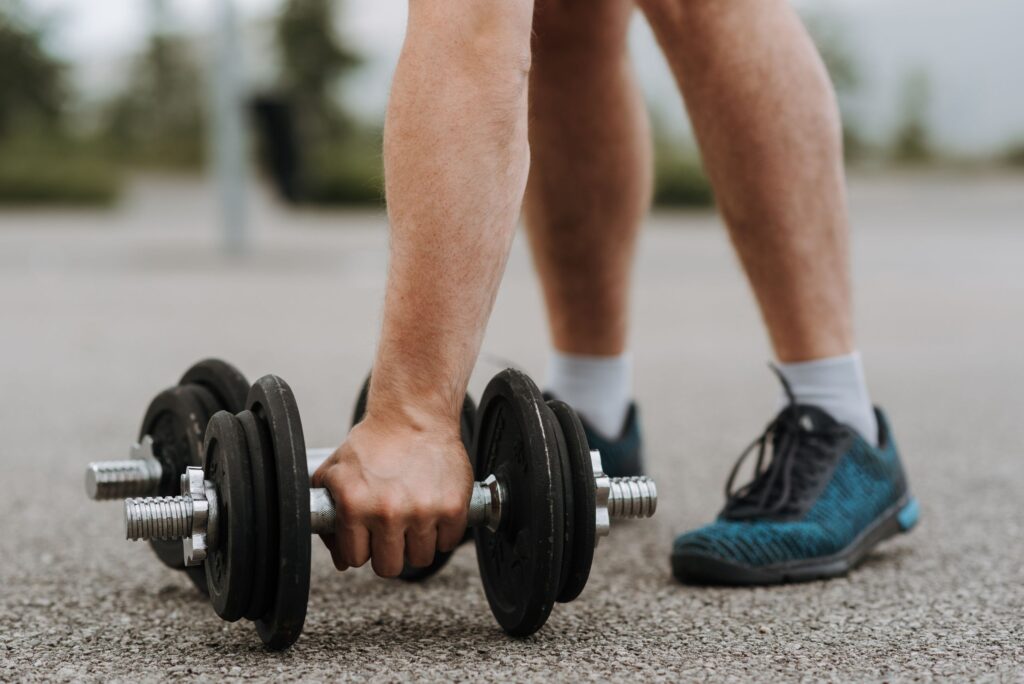
You do not need heavy weights or a gym membership to start.
Research shows benefits even from programs using light loads and higher repetitions,
especially for people just beginning.
What matters most is consistency and progressively challenging your muscles over time,
not lifting the heaviest weight possible right away.
A simple starting point:
- Two to three resistance sessions a week
- Focus on major movement patterns, like squatting, pushing, and pulling
- Include exercises that challenge balance, since this protects against falls specifically
- Progress gradually as exercises start to feel easier
A Hopeful Way to Think About This
Aging does not have to mean an inevitable decline in strength and independence.
Research shows that muscle and bone respond to strength training at almost any age,
which means the choices you make now,
even starting later than you wish you had, can genuinely change your trajectory.
It is rarely too late to start, and the benefits reach far beyond how your body looks.