Prebiotic Foods You Should Eat More Of
You have probably heard of probiotics, the good bacteria found in yogurt and other fermented foods.
But there is a quieter partner working alongside them that gets a lot less attention. Prebiotics.
What Prebiotics Actually Do
Prebiotics are a type of fiber your body cannot fully digest on its own.
Instead of breaking down in your stomach,
they travel to your gut and feed the good bacteria already living there.
In simple terms, if probiotics are the good bacteria, prebiotics are the food that keeps them alive and thriving.
Research shows that prebiotic rich foods can help improve digestion,
support your immune system, and reduce inflammation in the gut.
Some studies have even found a connection between prebiotic fiber and better decision making around food,
with people who ate more of it choosing lower calorie options more easily over time.
Top Prebiotic Foods to Add
A recent study estimated the prebiotic content of thousands of foods and found a clear list of standouts.
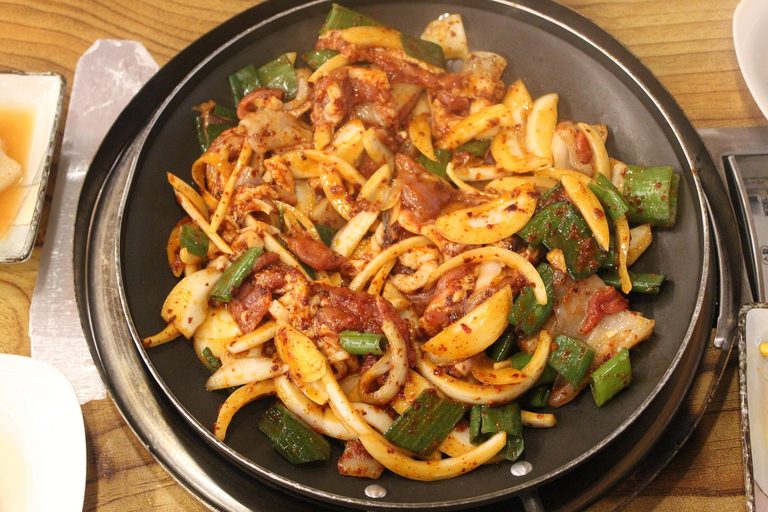
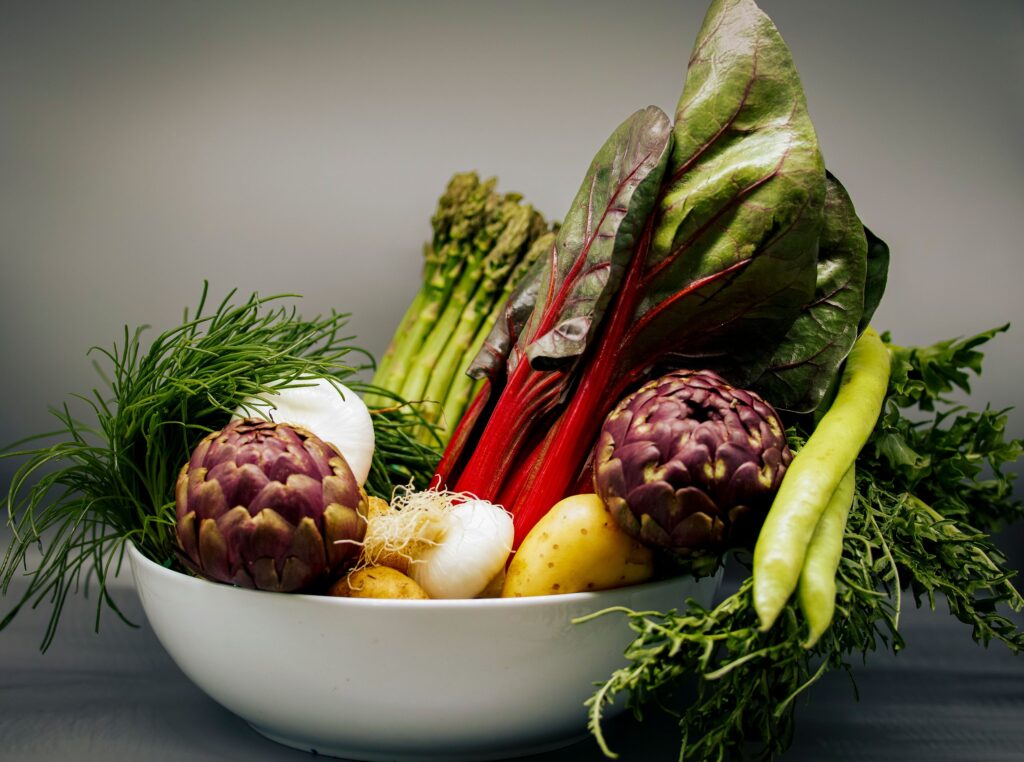
Garlic and onions
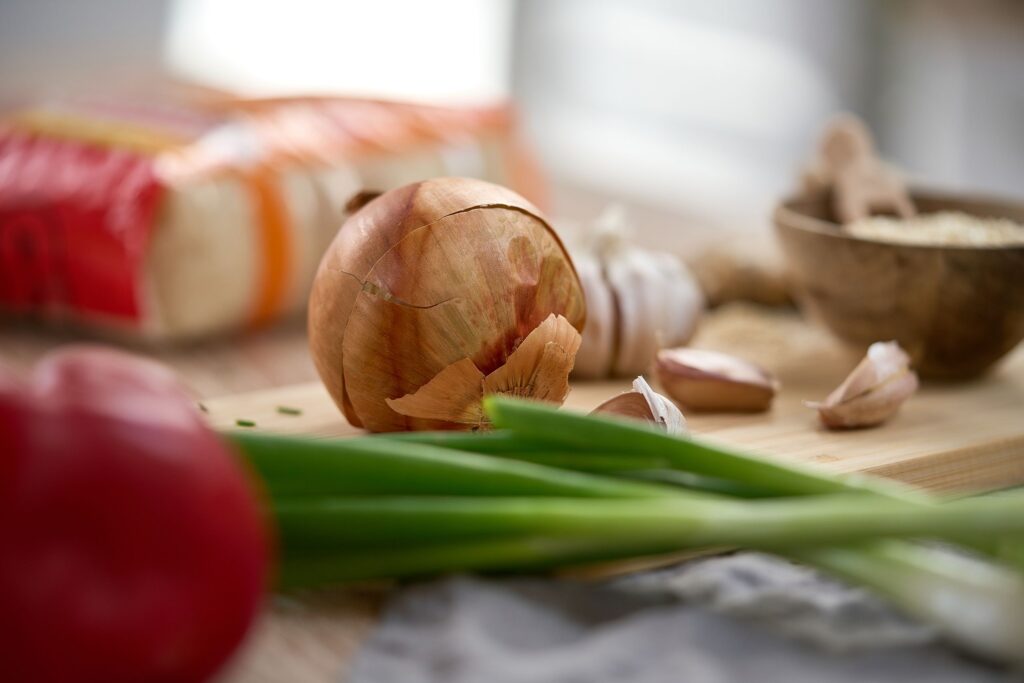
Two of the most common kitchen staples also happen to be some of the richest sources of prebiotic fiber.
Easy to add to almost any meal.
Leeks
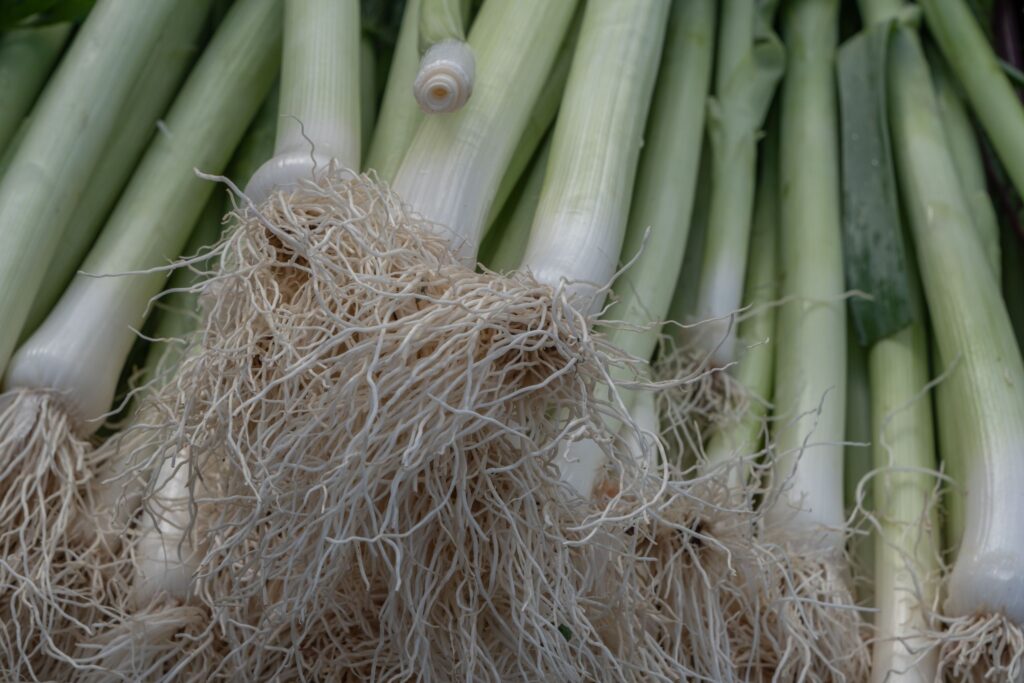
Similar to onions and garlic, leeks bring a mild flavor along with a strong dose of prebiotic fiber.
Great in soups.
Jerusalem artichokes

Less common in most kitchens, but one of the highest prebiotic foods available.
Worth trying roasted or in a soup.
Dandelion greens

Often overlooked,
these greens carry one of the highest prebiotic contents of any food studied.
Bananas
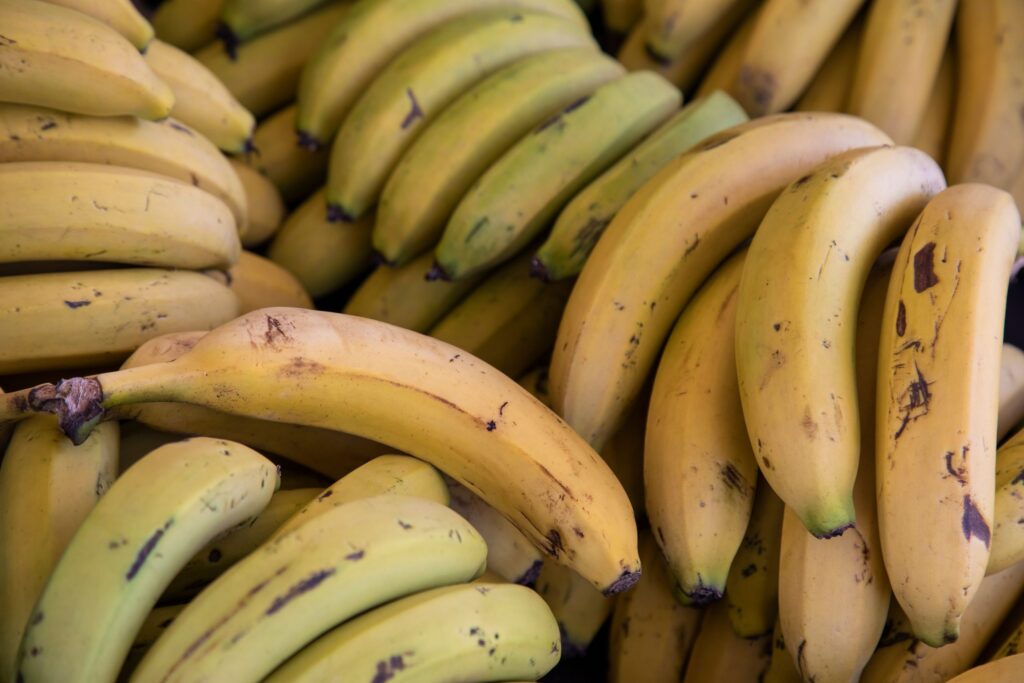
A familiar, easy option.
Slightly under ripe bananas carry more prebiotic fiber than very ripe ones.
Oats
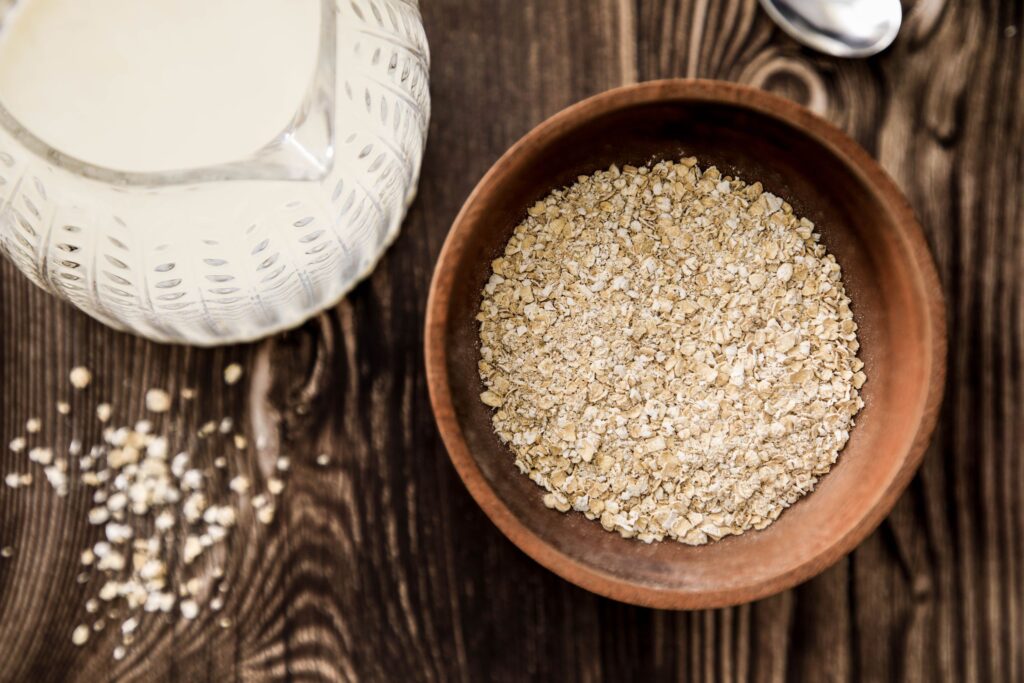
Along with feeding good bacteria, oats bring a type of fiber that supports heart health too,
making them one of the more well rounded prebiotic foods.
Apples
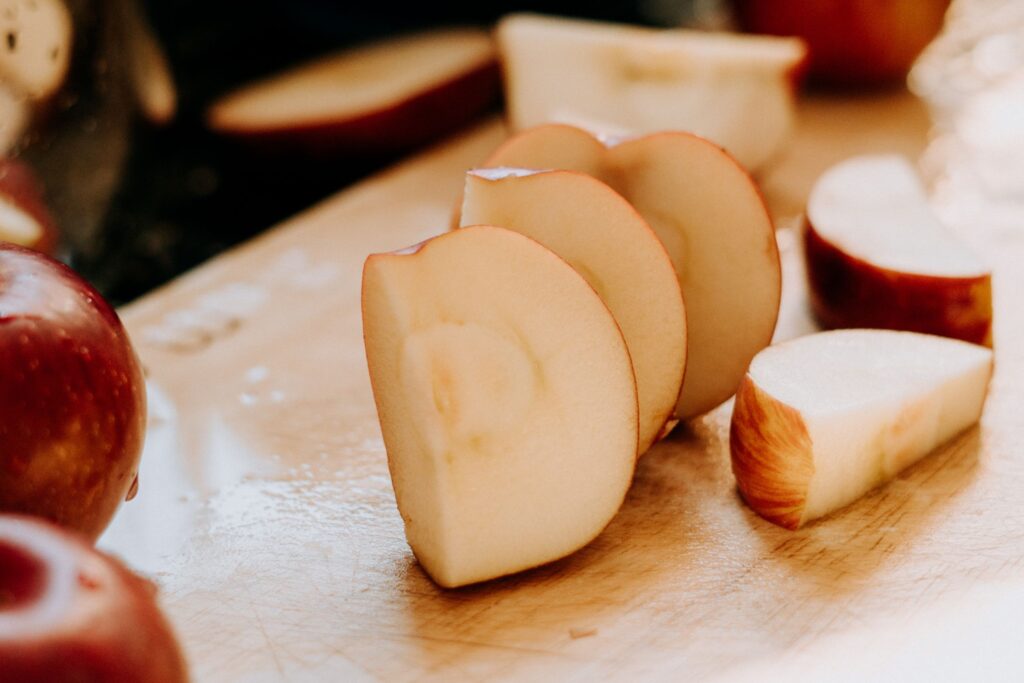
Especially the skin, which holds a good amount of prebiotic fiber.
Simple to add to breakfast or as a snack.
Flaxseed
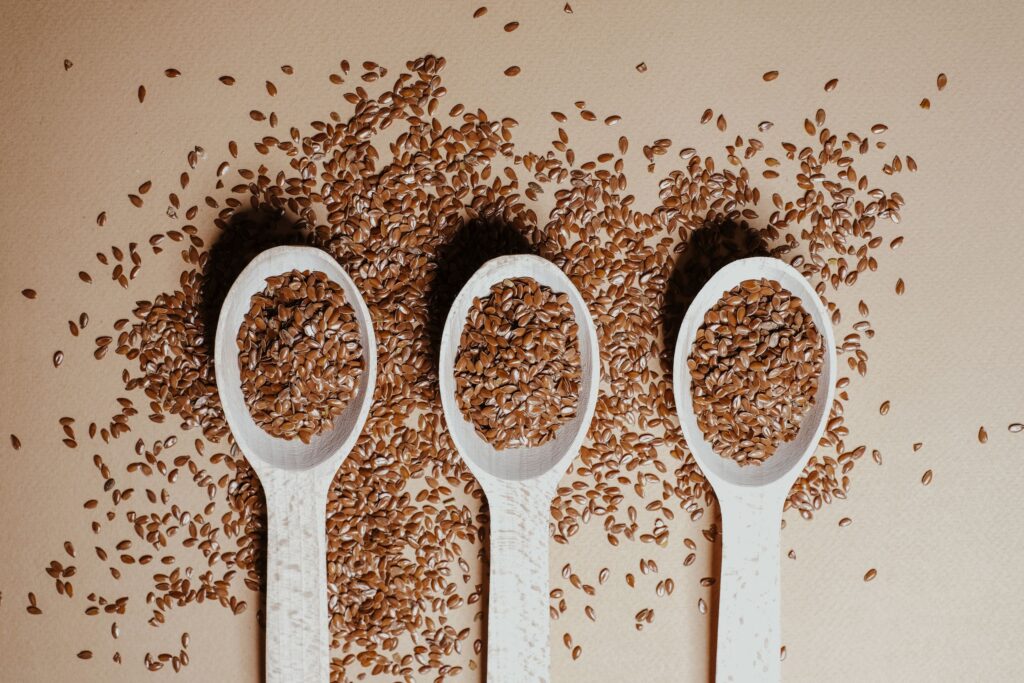
A small seed with a strong nutritional punch,
easy to sprinkle into oatmeal, smoothies, or yogurt.
How Much You Actually Need
There is no single official number everyone agrees on, but research suggests that getting around 3 to 5 grams of prebiotic fiber a day can support gut health.
Eating enough overall dietary fiber tends to naturally cover this amount for most people,
which makes variety more important than counting exact grams.
Prebiotics and Probiotics Work Better Together
Prebiotics are not meant to replace probiotics. They work best side by side.
Probiotics add new, helpful bacteria to your gut, while prebiotics feed the bacteria already there, including the new ones.
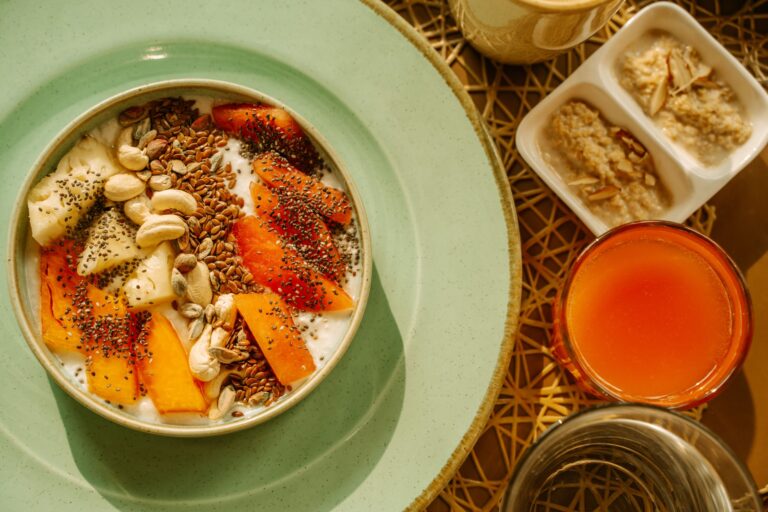
Pairing them, like yogurt with banana, or oats with flaxseed, gives your gut both new support and the fuel to keep it working well.
A Simple Way to Start
You do not need to eat every food on this list.
Start with one or two easy swaps, like adding garlic to a meal you already cook, or choosing oats for breakfast a few mornings a week.
Small, steady additions like these can support your gut health without needing a complicated plan.
Want to pair these with foods that add good bacteria too?
Check out [10 Gut Friendly Breakfast Ideas] for simple ways to combine both.