Probiotic Foods Beyond Yogurt
Yogurt often gets all the credit when it comes to probiotics,
but it is far from the only option.
If you are not a yogurt person, or simply want more variety,
there are several other foods that offer the same gut supporting bacteria,
sometimes even more of it.
Kefir

Kefir is a fermented milk drink with a tangy taste and a thinner texture than yogurt.
It often contains a wider mix of bacteria and yeast strains than yogurt does,
which makes it one of the more diverse probiotic sources available.
It comes in dairy and non dairy versions, and works well on its own or blended into a smoothie.
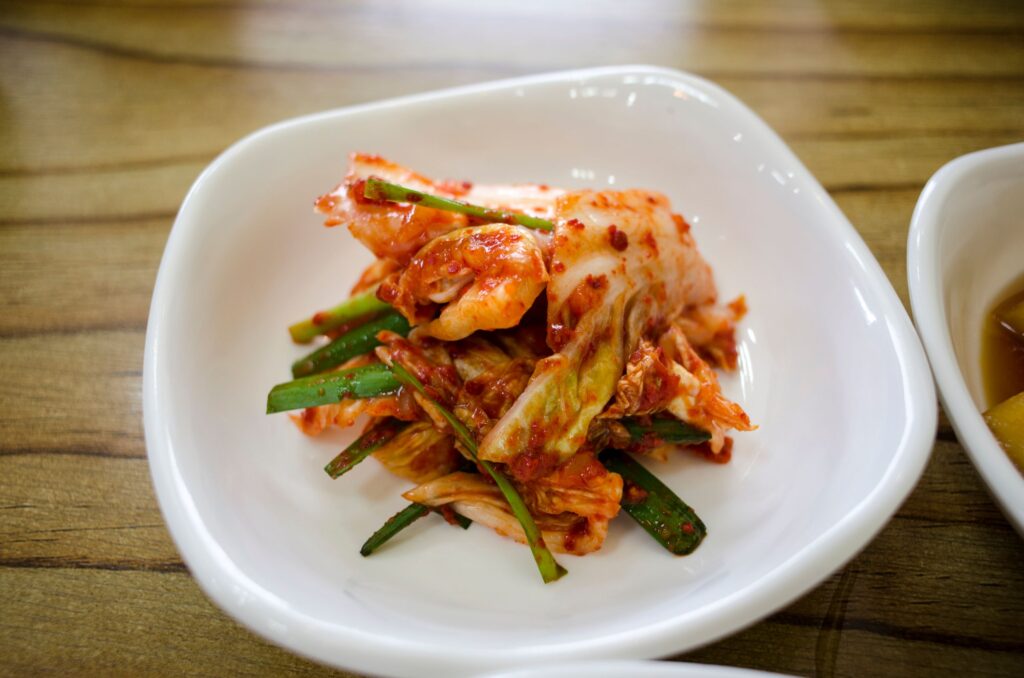
Kimchi
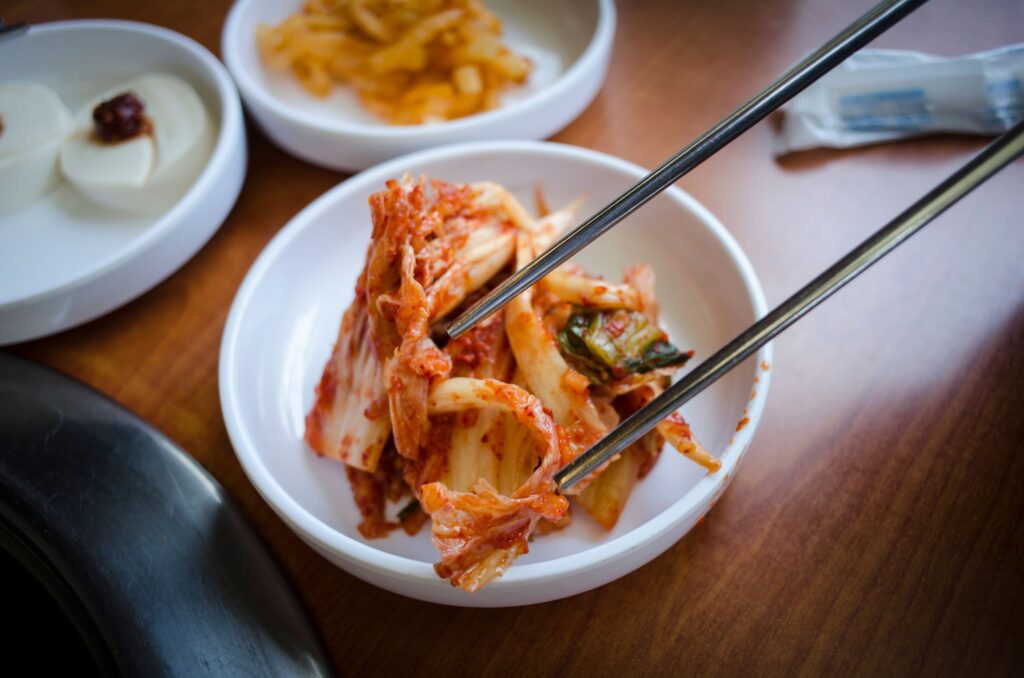
Kimchi is a spicy, fermented cabbage dish made with garlic, chili, and other seasonings.
Research has found that kimchi can contain beneficial bacteria at levels of 10 to 100 million per gram,
primarily strains that support digestion and immune function.
It works well mixed into rice, eggs, or served on the side of almost any meal.
Sauerkraut

Sauerkraut is fermented cabbage with a sour, salty flavor.
Beyond its probiotics, it also brings fiber along with vitamins C and K.
The key detail here matters.
Unpasteurized sauerkraut can contain live bacteria at concentrations around 100 million per gram,
while pasteurized,
shelf stable sauerkraut has been tested and found to be essentially sterile,
meaning it carries little to no live bacteria at all.
Always choose the refrigerated, raw version if gut health is your goal.
Miso
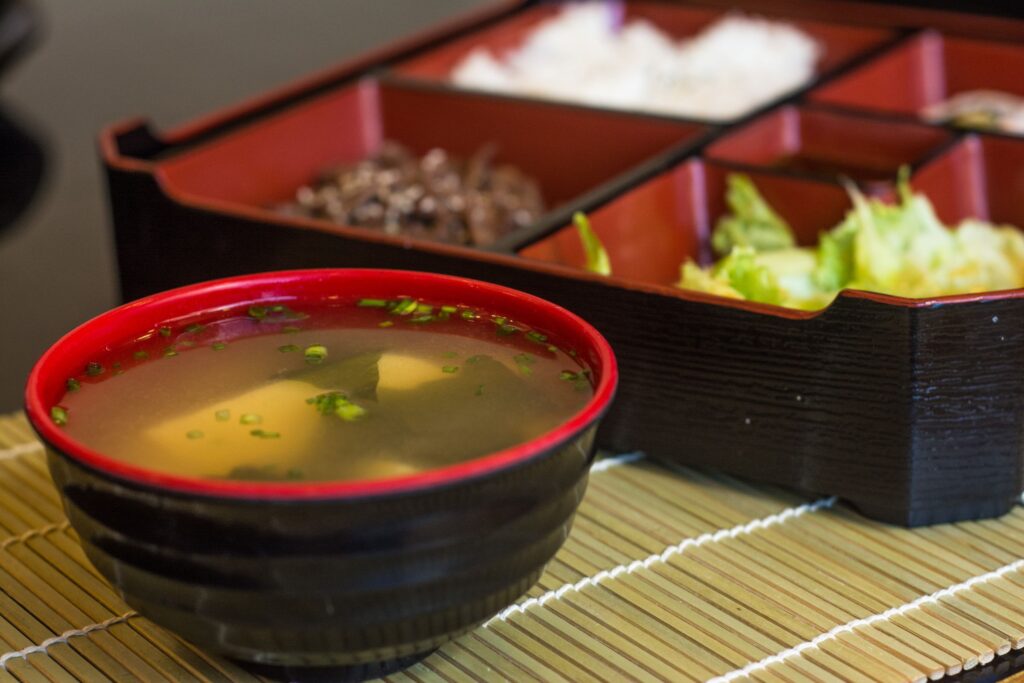
Miso is a fermented paste made from soybeans, most commonly used in Japanese cooking.
It carries its own set of beneficial microbes formed during fermentation.
A spoonful stirred into warm water makes a simple miso soup, or you can use it in marinades and dressings.
Tempeh
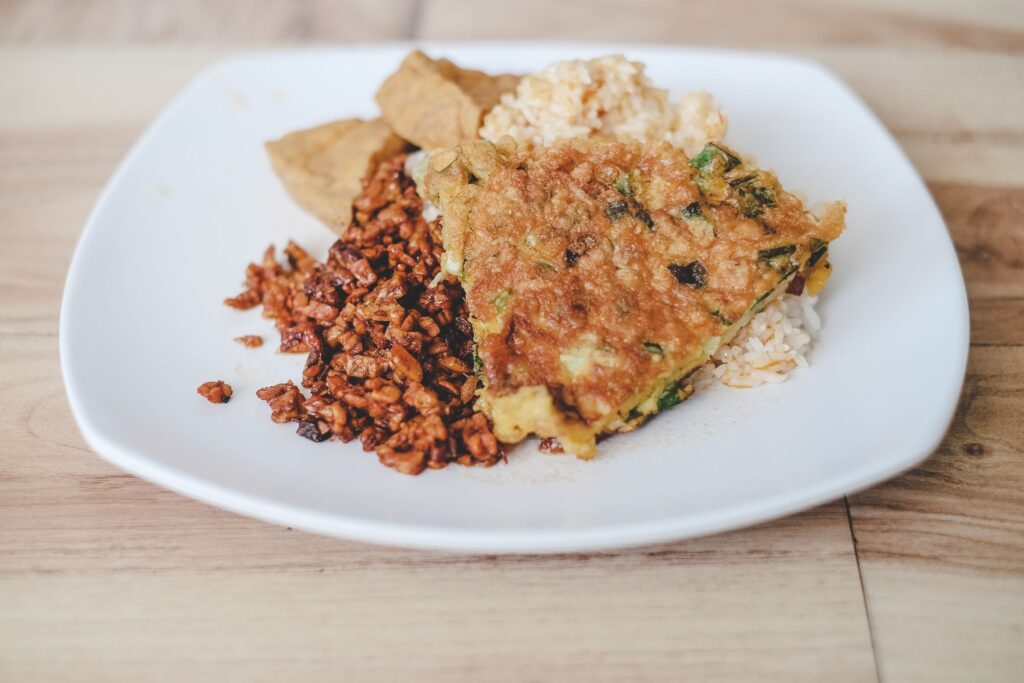
Tempeh is made from fermented whole soybeans pressed into a firm cake.
Along with probiotics, it provides a solid amount of protein,
making it a strong option for anyone eating more plant based meals.
Kombucha

Kombucha is a fermented tea with a tangy taste.
It is a popular way to get probiotics in drink form,
though it is worth checking the label since some brands add a good amount of sugar.
What the Research Actually Supports
It is worth being honest here.
Some of these foods, like kefir, sauerkraut, and fermented soy products, have real research behind their effects on digestion.
Others, like kombucha and kimchi, are still building a stronger base of human studies,
even though they have been used traditionally for a very long time.
That does not mean they are not worth eating.
It simply means the science is still catching up to what many cultures have practiced for generations.
The One Detail That Matters Most
Whichever of these foods you choose, look for the words raw, unpasteurized, or live cultures on the label.
Heat used during pasteurization or shelf stable processing often kills the very bacteria you are trying to get in the first place.
Refrigerated versions found in the cold section of the store are almost always your best bet.
A Simple Way to Start
You do not need to eat all of these regularly.
Pick one that sounds appealing, kimchi with eggs, miso in a soup, or kefir in a smoothie, and let it become a small, steady addition to your week.
Prebiotics and probiotics work best together. Read [Prebiotic Foods You Should Eat More Of] to see what feeds these bacteria once they are in your gut.