How Fiber Affects Your Digestion
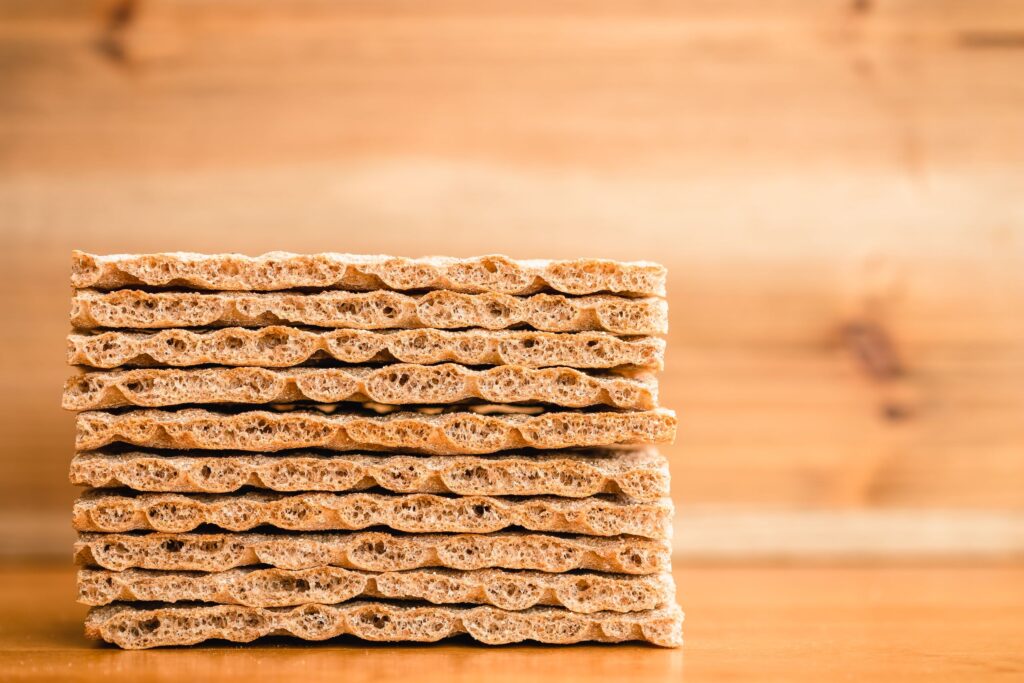
Fiber gets mentioned so often that it starts to feel like background noise.
Eat more fiber, they say, without really explaining what it does or why it matters.
Here is the simple version, and why it is worth paying attention to.
Two Types of Fiber, Two Different Jobs
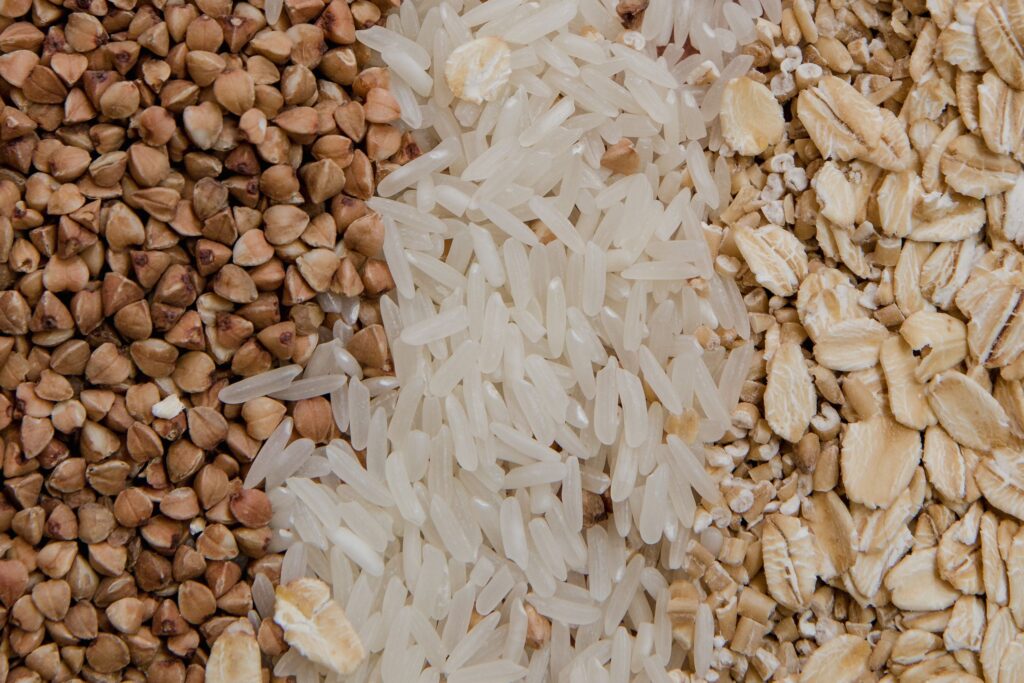
Fiber is not just one thing. It comes in two main types, and each one supports digestion in a different way.
Soluble fiber dissolves in water and slows things down in a good way.
It slows digestion, which helps prevent blood sugar spikes after meals,
and it can also help lower cholesterol by reducing how much gets absorbed into your bloodstream.
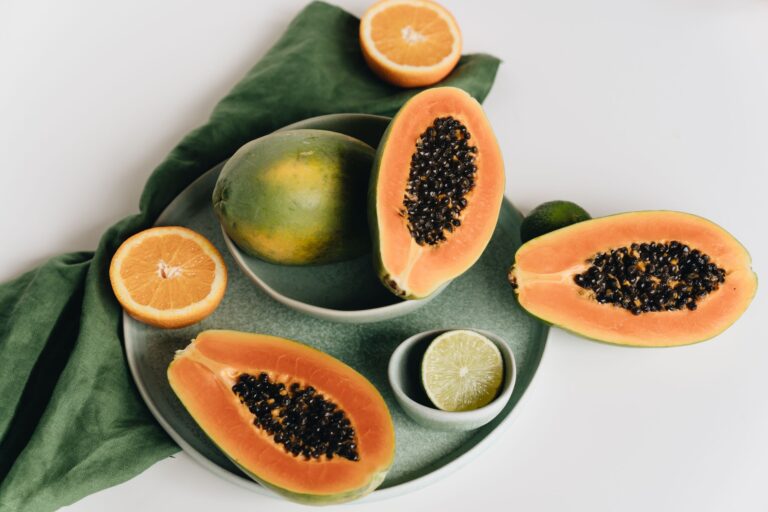
You can find it in oats, beans, apples, and many fruits.
Insoluble fiber does not dissolve.
Instead, it adds bulk to your stool and helps things move through your system more efficiently. This is the type most responsible for keeping digestion regular.
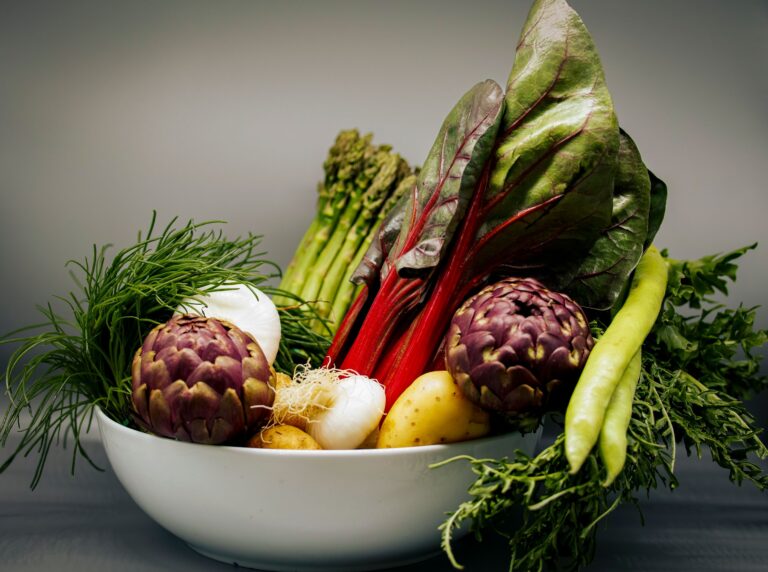
You can find it in whole grains, vegetables, and the skins of fruit.
Most fiber rich foods contain a mix of both, which is part of why whole foods tend to support digestion better than any single supplement.
Why This Actually Matters
Research has consistently linked fiber intake to lower rates of heart disease, type 2 diabetes, and colorectal cancer.
Beyond digestion,
fiber also helps you feel full, which supports weight management, and it plays a role in your gut bacteria’s overall health.
Despite all of this, most adults eat far less fiber than they need.
It is one of the more overlooked parts of a healthy diet,
mostly because the advice to eat more of it rarely comes with real numbers.
How Much Fiber You Actually Need
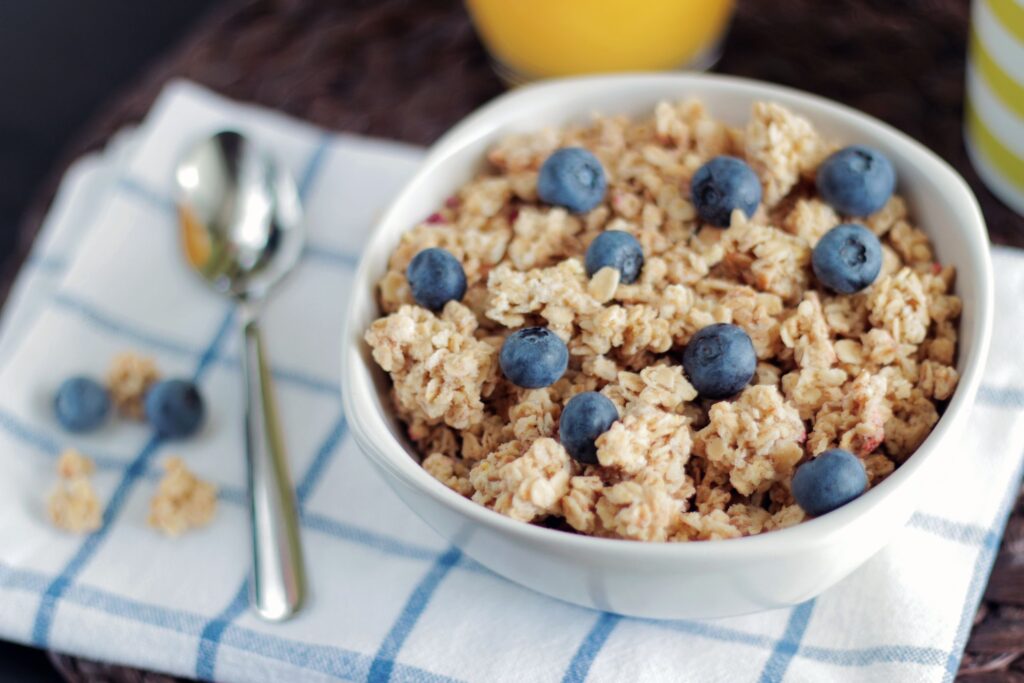
Here are real numbers to work with.
Most adults need somewhere between 22 and 34 grams of fiber a day, depending on age and sex.
A simple way to think about it is roughly 14 grams of fiber for every 1,000 calories you eat.
For a woman in her twenties eating around 2,000 calories a day, that works out to about 28 grams.
Simple Ways to Add More Fiber
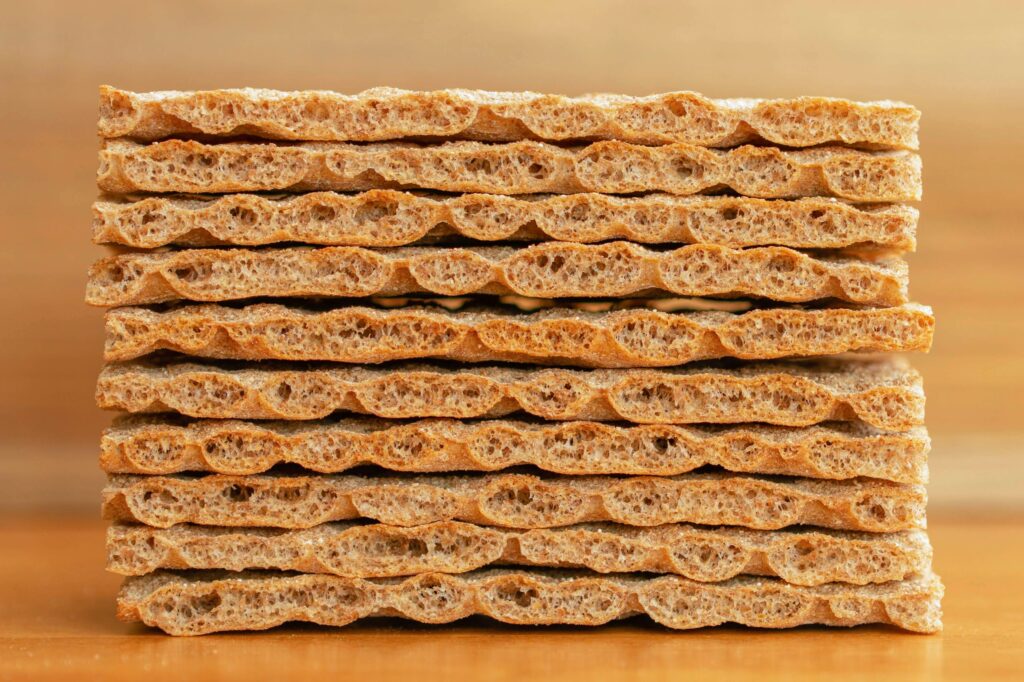
You do not need to track every gram.
A few easy swaps can move you closer to your target:
- Choose whole grain bread and pasta instead of refined versions
- Leave the skin on fruits and vegetables when possible
- Add beans or lentils to a meal you already make
- Choose whole fruit over fruit juice
- Add oats or chia seeds to breakfast
A Word on Going Too Fast
If your current diet is low in fiber, adding a large amount all at once can cause bloating or discomfort.
Increasing your intake gradually, along with drinking enough water, gives your digestive system time to adjust without the unpleasant side effects.
A Simple Way to Start
Pick one meal a day to add a fiber rich food to, whether that is oats at breakfast, beans at lunch, or vegetables at dinner.
Small, steady additions add up faster than trying to fix your whole diet at once.
Ready to put this into practice? Try [10 Gut Friendly Breakfast Ideas] or [Prebiotic Foods You Should Eat More Of], both built around fiber rich foods.