5 Sleep Habits That Are Actually Backed By Research
People keep repeating sleep hygiene tips so often that they feel like settled science cool room, no phone, avoid caffeine.
But not all of it carries equal weight.
Some of the most shared sleep hacks have surprisingly thin evidence behind them,
while a few boring, habits have some of the strongest research support in all of behavioral sleep medicine.
This post skips the fluff and focuses on five habits with real evidence plus why each one works,
so you can prioritize the ones that matter most for you.
1. A Consistent Wake Time Even on Weekends
If you only change one thing after reading this post, make it this one.
Maintaining a consistent wake time, including weekends,
has strong evidence for improving sleep quality.
This habit shows some of the strongest evidence among behavioral sleep approaches.
Here’s the mechanism,
your circadian clock doesn’t just respond to when you fall asleep,
it anchors itself primarily to when you wake up and get light exposure.
The practical version pick a wake time you can hold within about an hour,
seven days a week, for at least two weeks before judging whether it’s working.
This one habit does more heavy lifting than almost any other on this list.
2. Morning Light Exposure
Get more sunlight is common advice, but the timing is what actually matters.
Research on sunlight exposure and sleep regulation has found that
specifically morning sun exposure not evening or late day exposure is what most reliably
shifts the sleep midpoint earlier and improves overall sleep quality.
This connects directly to the same circadian mechanism as
habit #1 light is the primary signal your suprachiasmatic nucleus uses to set your internal clock.
Morning light tells your brain the day has started, which cascades into earlier melatonin release that night.
Evening light especially bright, blue heavy light from screens sends the opposite signal and can delay your body’s readiness for sleep.
The practical version 10 minutes of natural light exposure within an hour of waking
(a porch, a window, a short walk) does more for your circadian alignment than most people expect from something so simple.
3. A Cool Bedroom With an Actual Number
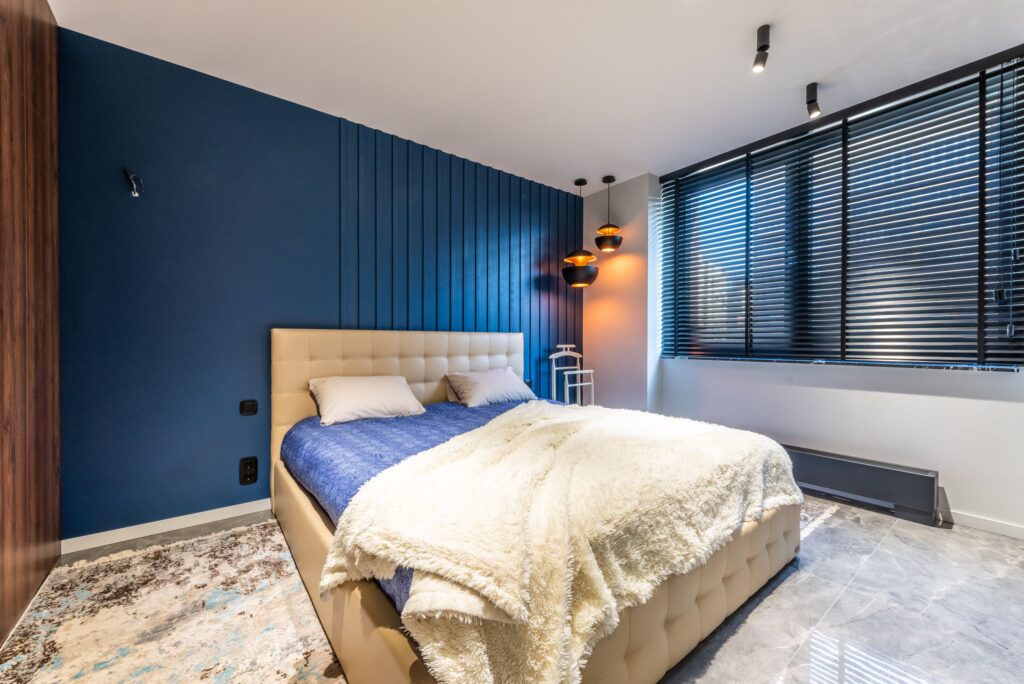
Most sleep advice says, keep your room cool, but they don’t specify what that means, so it’s easy to ignore the guidance.
This is one of the five 5 Sleep Habits That Are Actually Backed By Research.
The actual evidence backed range is more specific
a bedroom temperature of roughly 65–68°F (18–20°C) supports the natural drop in core body temperature that your body needs to initiate and maintain sleep.
This isn’t arbitrary sleep onset is partly triggered by a decline in core body temperature,
and an overly warm room fights against that mechanism.
Research consistently shows that hot sleeping environments reduce sleep quality and increase nighttime wakefulness,
which is one of the more robust and boring but true findings in this space.
The practical version if you don’t know your bedroom’s actual temperature,
a $10 thermometer will tell you more than any mattress upgrade will.
This is one of the cheapest, most evidence-backed changes on this list.
4. A Warm Shower or Bath 1–2 Hours Before Bed
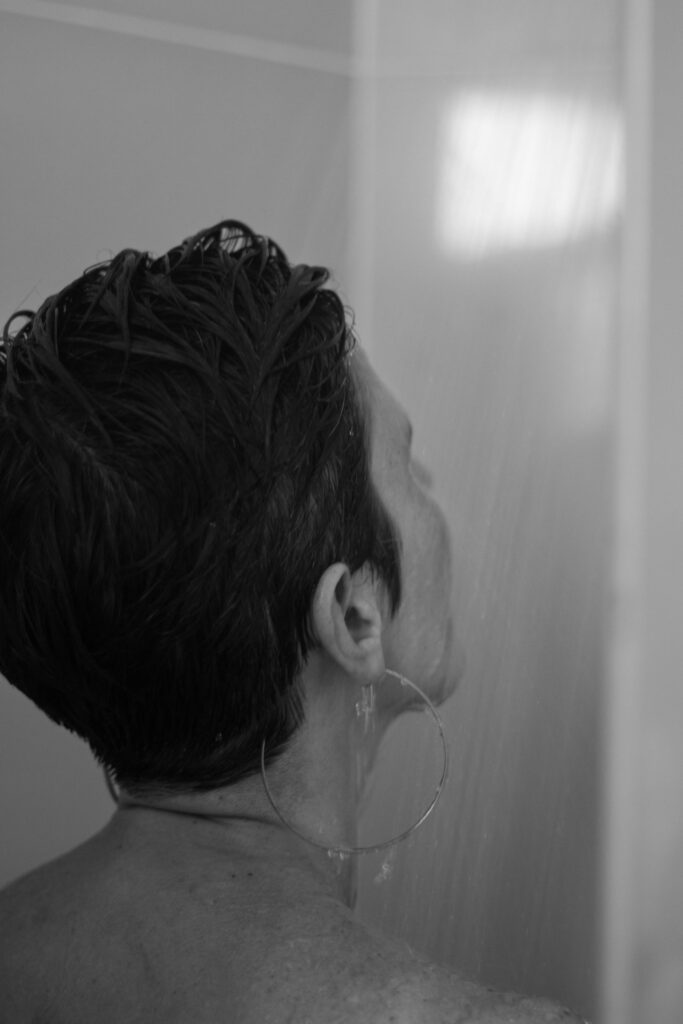
This one sounds counterintuitive how does warming up help you sleep when the goal is a cooler body temperature?
The answer lies in the timing and the mechanism a warm shower or bath causes blood vessels near the skin’s surface to dilate,
which actually accelerates heat loss from your core once you get out.
You end up with a faster and larger drop in core body temperature than you’d get by just sitting in a cool room
which is precisely the signal your body uses to initiate sleep.
The practical version timing matters here right before bed is too late to get the full effect,
since the heat hasn’t had time to trigger the cooling rebound.
Aim for 60–90 minutes before you actually plan to fall asleep.
5. Daytime Movement

We covered morning specific exercise benefits in [our 10-minute morning workout post],
but it’s worth noting separately here general physical activity regardless of exact time of day has a well established relationship with sleep architecture and quality.
Research using naturalistic, real world tracking (rather than sleep-lab settings) has found measurable positive effects of physical activity on both sleep architecture and mood.
The bigger point for this list exercise and weight management support general sleep quality broadly,
and specifically help with conditions like sleep apnea but the effect is cumulative and behavioral,
not something one workout fixes.
It’s a supporting habit,
not a standalone fix,
which is exactly why it works best stacked with the other four habits here rather than relied on alone.
What This List Deliberately Leaves Out
You’ll notice this isn’t a list of 20 tips because most long sleep hygiene checklists mix strong evidence habits in with much weaker ones
(specific supplements, exact wind-down rituals, screen-time cutoffs framed as absolute rules),
which dilutes the few changes that actually move the needle.
Proper sleep hygiene underpins good sleep.
However, it is not a guaranteed treatment for insomnia or diagnosed sleep disorders.
If you still have persistent sleep issues despite consistent habits,
consult a doctor rather than chasing another wellness hack.
Where to Start
If you’re overwhelmed by the idea of overhauling your whole nighttime routine, don’t.
Start with #1 (consistent wake time) and
#2 (morning light) together they reinforce the same circadian mechanism and are both free.
Add the bedroom temperature check in week two.
The warm bath habit is worth layering in whenever you’re ready
it’s the most optional of the five, even though it’s genuinely evidence-backed.