Essential High-Protein Breakfast Ideas
Most high protein breakfast content is just a recipe list.
It reflects high protein breakfast ideas and the overlooked reason but breakfast protein matters more than dinner protein.
However,
what almost none of it explains is why breakfast is actually the most strategically important meal to prioritize protein.
This is not because breakfast is ‘the most important meal of the day’ in some vague motivational sense.
High protein breakfast ideas matters more than dinner protein.
However, your body distributes protein unevenly across a typical day.
This results from a specific, measurable quirk in protein distribution.
Once you understand it, the recipes make a lot more sense.
Most People Save Protein For Dinner
Here’s a pattern that shows up consistently in dietary intake data.
However, most adults eat roughly three times more protein at dinner than at breakfast.
A typical pattern looks something like 13g of protein at breakfast.
Moreover, by dinner, it climbs to around 38g.
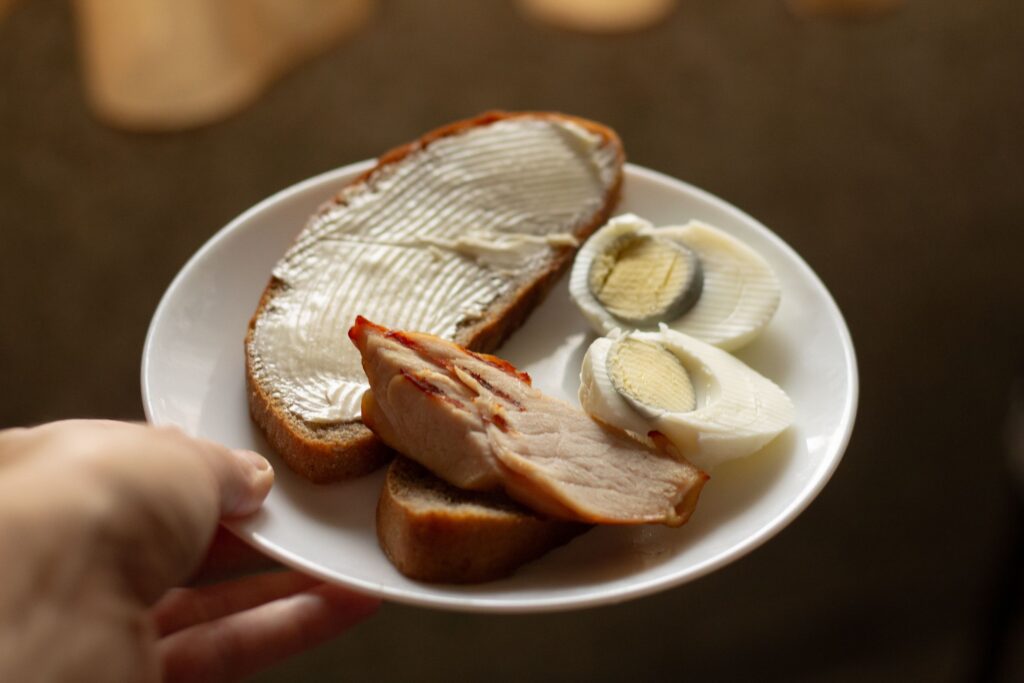
Breakfast is usually toast, cereal, or coffee, carbohydrate heavy and protein light.
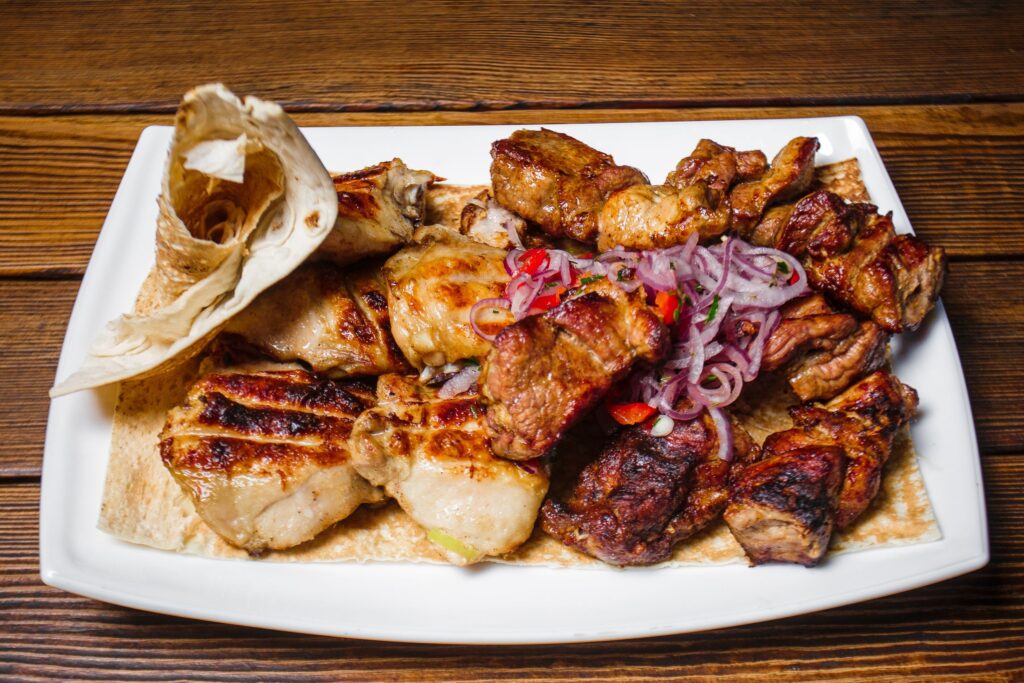
However, dinner is where the chicken, steak, or fish shows up.
This aligns with High Protein Breakfast Ideas And the Overlooked Reason Breakfast Protein Matters More Than Dinner Protein.
Additionally,
that pattern feels normal because it’s how most cultures structure meals.
But your body doesn’t handle protein the way it handles carbs or fat.
Why Timing Actually Matters for Protein
Unlike fat or carbohydrates, your body has very limited ability to “store” excess dietary protein.
Additionally, it cannot be used later for muscle-building from one meal.
Moreover,
research shows a single large serving of high quality protein doesn’t build more muscle than a moderate one.
Your body can only use so much protein in one sitting for muscle protein synthesis.
Generally, meals top out around 30 g of high quality protein per meal.
Thus, it helps guide portion choices.
Consequently,
that means a 300g steak at dinner isn’t “banking” protein for tomorrow morning.
If breakfast is protein light,
that window is essentially wasted from a muscle synthesis standpoint.
However, you cannot recover that window later.
Why Spreading Out Your Protein Works Best
However, this isn’t just theoretical.
In controlled research,
protein distribution across meals was compared to a skewed pattern (low at breakfast, high at dinner).
However,
muscle protein synthesis was about 25% higher when protein was spread evenly across meals.
A separate controlled study found an even larger gap.
Moreover,
a 30 g protein breakfast produced about 40% higher muscle protein synthesis than a 10 g one.
Yet both groups ate similar total protein by day’s end.
However, the distribution mattered more.
The daily total mattered less.
Moreover, emerging research suggests a “muscle clock.”
Genes involved in muscle building and breakdown run on their own circadian rhythm.
This may prime your body to respond to protein differently by time of day.
Animal studies feeding high protein meals during the early active phase found the early meal produced a stronger muscle building response.
However,
meals in the late active phase did not match this effect.
For instance, the practical target is roughly 25–35 g of protein at breakfast.
Additionally,
it should be more than ‘some eggs’ and reach the threshold to flip the anabolic switch.
How Protein Keeps You Full

Beyond muscle synthesis, protein is also the most satiating macronutrient.
Moreover,
a high protein breakfast keeps you fuller for longer and reduces the mid morning energy crash that drives desk drawer snacking.
However,
this explains why a carbohydrate heavy breakfast (cereal, pastries, juice) leaves you hungry again by 10am.
It contrasts with an egg and yogurt breakfast with the same calories, which doesn’t leave you hungry.
6 High-Protein Breakfasts That Actually Hit 25–35g
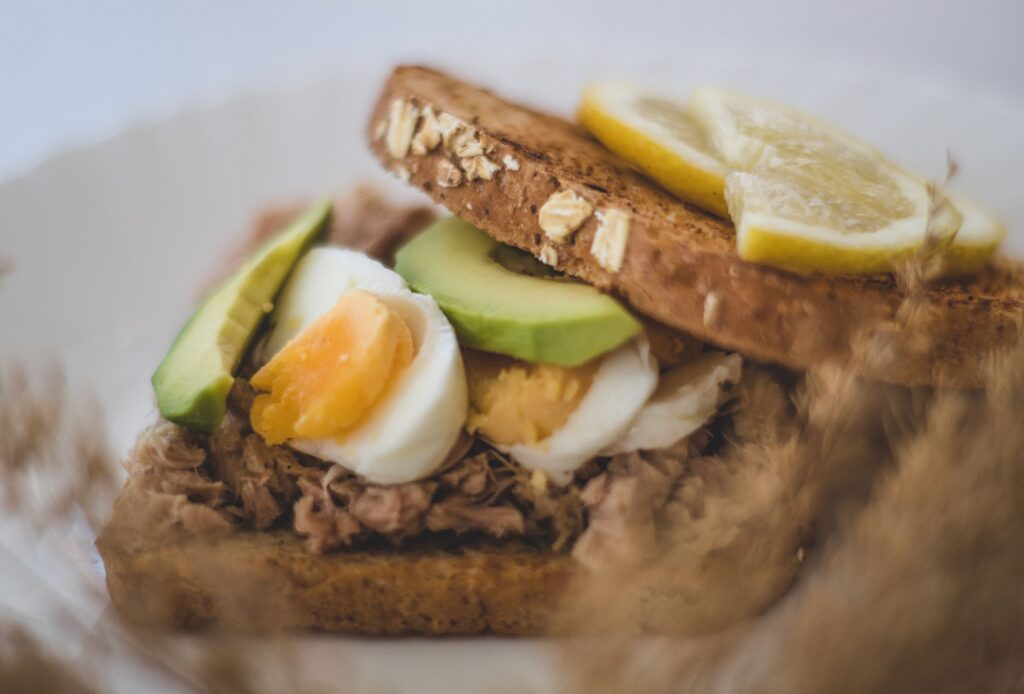
These meals are built to cross that 25g+ threshold.
Moreover, they do not gesture at “protein” with one egg on top of toast.
- Greek yogurt bowl (≈30g): 1 cup plain Greek yogurt (2% or full-fat) + 2 tbsp chia seeds + a scoop of berries. Greek yogurt alone carries roughly 20g of protein per cup the chia seeds add fiber and a small protein boost on top.
- 3-egg veggie scramble + cottage cheese side (≈32g): 3 whole eggs (≈18g) scrambled with spinach and peppers, served alongside a half cup of cottage cheese (≈14g). This combo also delivers a strong leucine hit in one sitting, which is what actually triggers the synthesis signal.
- Protein overnight oats (≈28g): ½ cup rolled oats + 1 scoop protein powder + ¾ cup milk, prepped the night before. This is the easiest “grab and go” option on the list zero morning cooking.
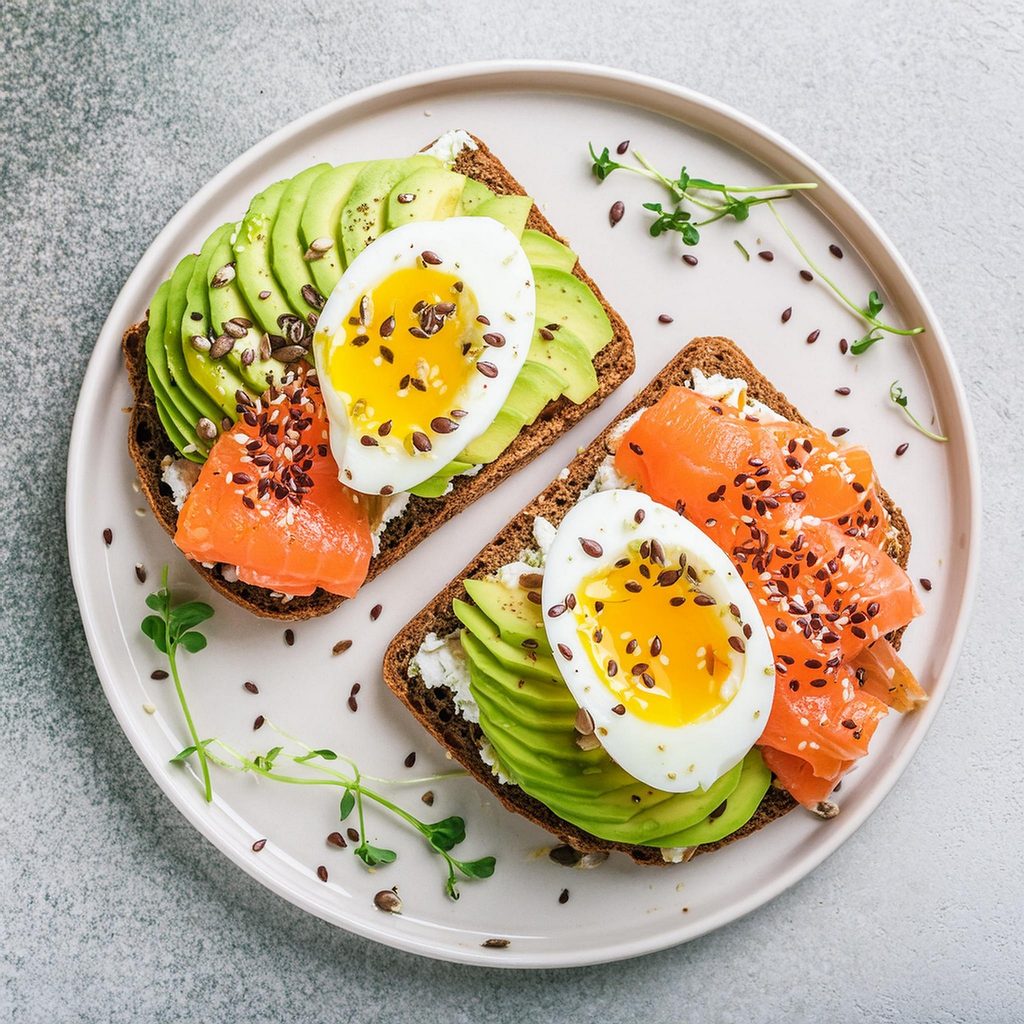
- Smoked salmon + cottage cheese toast (≈27g): Whole grain toast topped with ½ cup cottage cheese and 2oz smoked salmon. A savory alternative if you’re tired of sweet breakfast options and it adds omega-3s on top of the protein.
- Turkey sausage + egg breakfast bowl (≈33g): 2 turkey sausage links (≈14g) + 2 scrambled eggs (≈12g) + a handful of shredded cheese, over sautéed greens instead of toast to keep it lower carbohydrate.
- Tofu scramble (plant-based, ≈26g): ½ block firm tofu, crumbled and sautéed with turmeric and nutritional yeast, plus a side of edamame. A solid plant based option that still clears the threshold tofu alone provides roughly 20g per half-block.
The One Adjustment Most People Should Make
Additionally, you don’t need to overhaul your whole diet to apply this.
If your current breakfast is toast, cereal, or just coffee, the single highest-leverage change is adding roughly 20-25g of protein.
Additionally, add a scoop of Greek yogurt on the side, or include two eggs with your usual meal.
The goal isn’t a perfect macro tracked breakfast.
However, it’s about clearing that ~25-30g threshold consistently.
Research suggests this matters more than hitting an exact number every day.