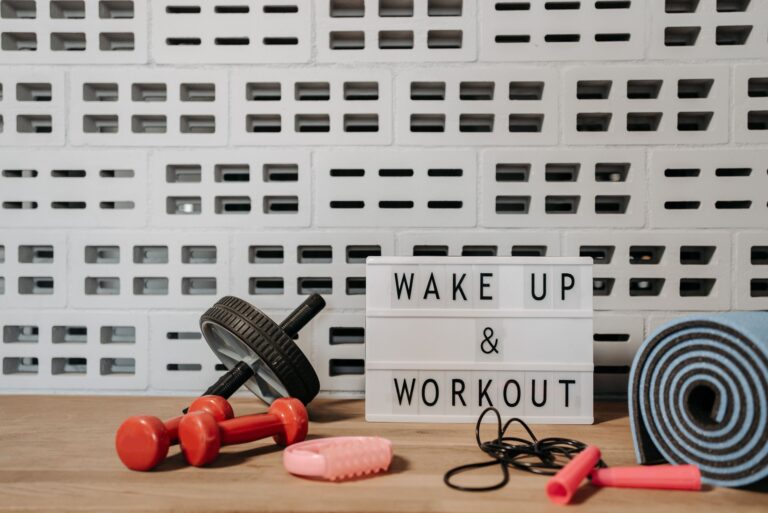
What to Do When You Fall Off Track

You missed a workout.
Then you missed another.
Now it has been two weeks, and starting again feels harder than it should.
If this sounds familiar, here is something important to know.
The missed day was never the real problem.
The Moment That Actually Breaks a Habit

Researchers have a name for what usually causes a small slip to turn into a full stop.
They call it the what the hell effect. It works like this.
You miss one day, and instead of simply returning the next day, a thought creeps in.
I already messed up, so what is the point of continuing today.
That single thought is often what turns one missed day into two weeks, not the original missed day itself.
This pattern was first noticed in research on eating habits,
but it shows up the same way with exercise, sleep routines, or any habit you are trying to build.
The lapse itself is small. It is the reaction to the lapse that does the damage.
Missing a Day Does Not Undo Your Progress

Research on habit formation backs this up directly.
Studies have found that missing a single day did not significantly affect someone’s long term ability to build a habit.
Your brain does not erase the progress you have already made just because of one missed session.
Think of it this way. A break in a routine is not the same as your brain resetting.
It is simply a gap.
The pathways you have already built through repetition are still there, waiting for you to pick the habit back up.
Why Shame Makes It Worse, Not Better

It is tempting to think that feeling bad about a missed day will motivate you to try harder.
Research says otherwise.
People who respond to a setback with self compassion tend to recover faster and are less likely to give up completely,
compared to people who respond with harsh self criticism.
Shame does not create motivation.
It often creates avoidance instead, which is exactly what keeps the gap growing.
How to Actually Restart

Come back small, not big Trying to jump back in at full intensity after a break often backfires.
Research on restarting habits shows that beginning with a much smaller version,
a two minute workout instead of a full one,
makes people significantly more likely to stick with it long term than trying to restart at full effort right away.
Restart as soon as you notice, not on a perfect day Waiting for Monday, or the first of the month, or the right moment can quietly extend a lapse by days or weeks.
The most effective restart happens as soon as you notice, not once conditions feel ideal.
Change how you talk about it Saying something like I am someone who works out and I missed a few days tends to support recovery better than saying I failed at working out.
Framing a lapse around identity instead of failure helps you return to the habit faster.
A Gentle Reminder
If you have fallen off track, this is not evidence that you cannot do this.
It is simply part of how habits actually work for real people living real, unpredictable lives.
The only thing that determines whether this becomes a permanent stop or a temporary pause is what you do next.
Not perfectly. Just next.