Simple Breathing Exercises for Anxiety
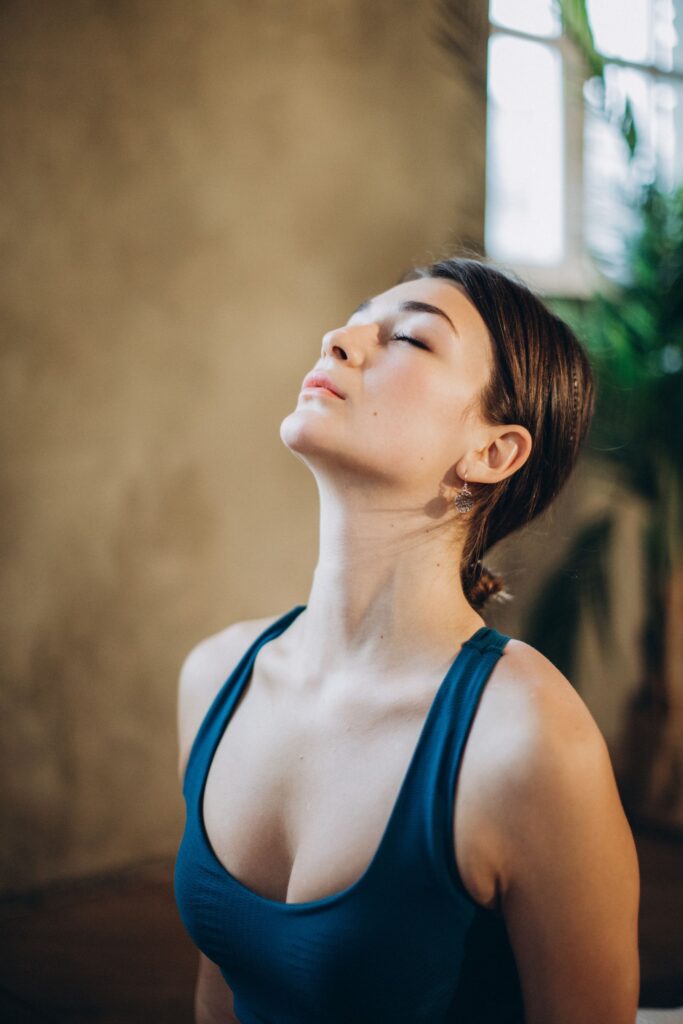
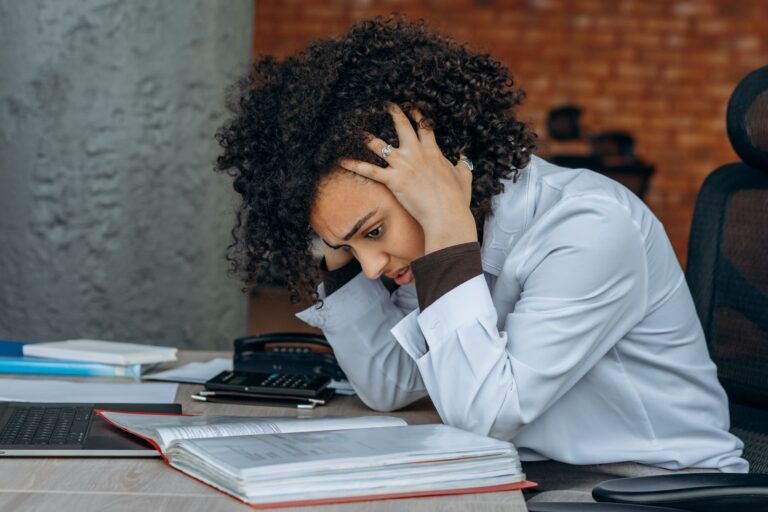
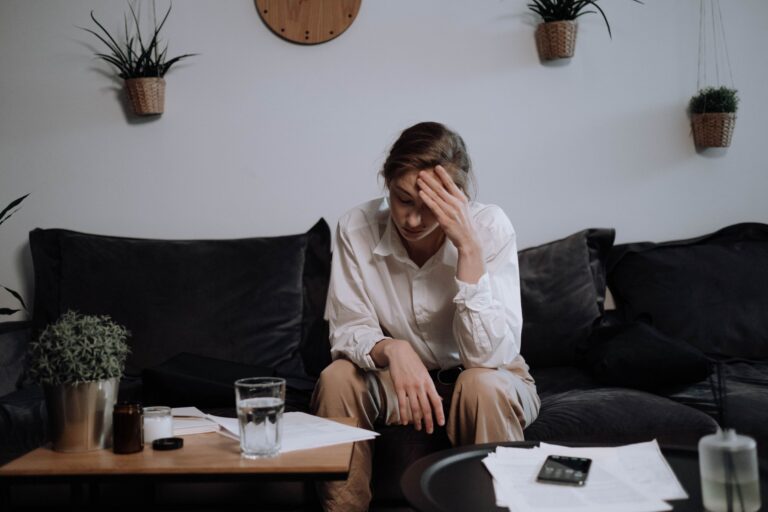
When anxiety hits, your breath is usually one of the first things to change.
It gets shorter, faster, higher in your chest.
The good news is that this works in reverse too.
Changing your breath on purpose can help calm your body down,
even when your mind is still racing.
Why Breathing Actually Works
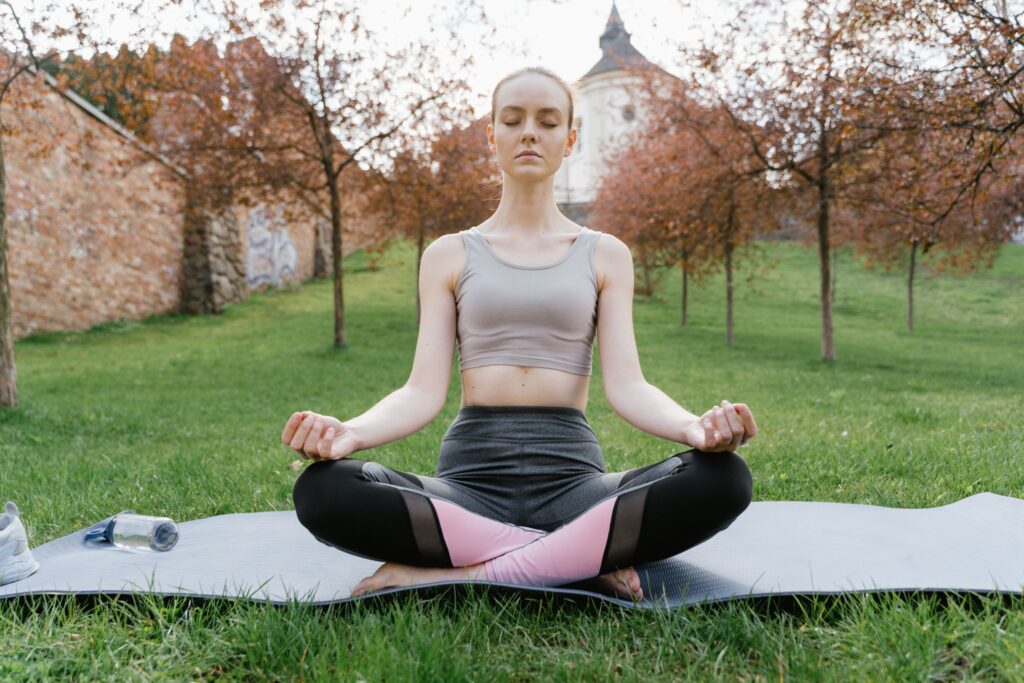
Your body has a nerve called the vagus nerve that runs from your brain down through your chest and stomach.
It plays a big role in switching your body from a stressed state into a calm one.
When you breathe slowly, especially with a long exhale,
it activates this nerve and tells your nervous system it is safe to relax.
Research backs this up.
A study comparing different breathing techniques to regular meditation found that
structured breathing practices improved mood and lowered physical signs of stress more effectively over time.
Simply put, a few focused minutes of breathing can outperform just sitting quietly with your thoughts.
The Physiological Sigh

This one has become popular for a good reason.
It works fast, and there is real research behind it.
How to do it:
- Take a normal breath in through your nose
- Right before you feel full, sneak in a second, smaller breath on top of it
- Let out a long, slow exhale through your mouth
Do this for three to five rounds.
This double inhale, long exhale pattern is designed to quickly bring down feelings of stress or overwhelm,
and it tends to work faster than most other breathing techniques.
Box Breathing
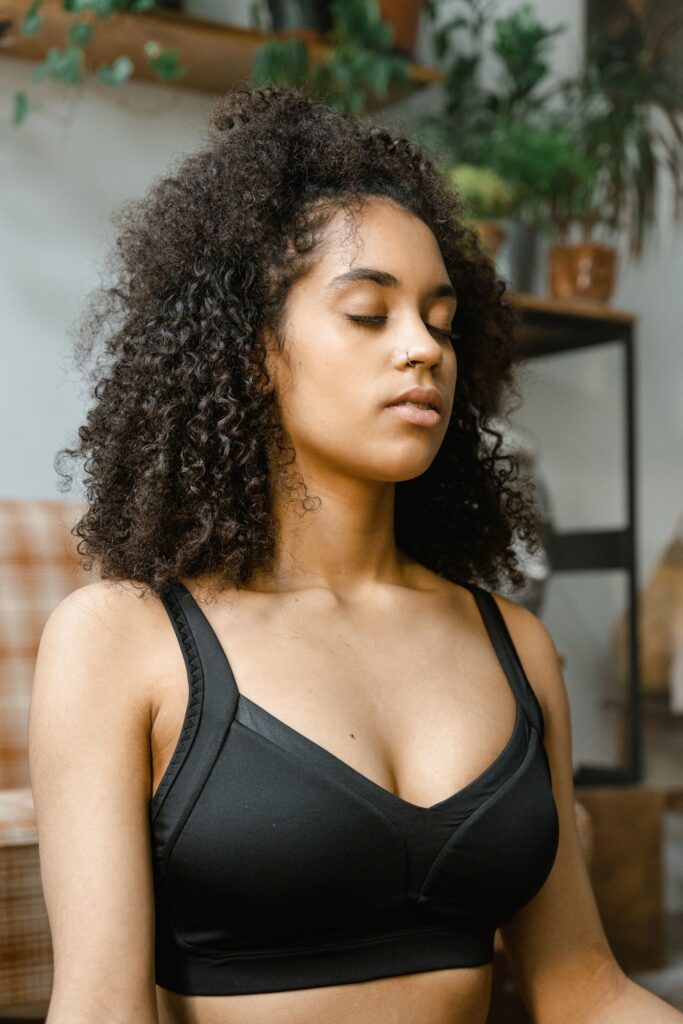
Simple, structured, and easy to remember, even when your mind feels scattered.
How to do it:
- Breathe in for 4 counts
- Hold for 4 counts
- Breathe out for 4 counts
- Hold for 4 counts
- Repeat for a few rounds
This one is often used before medical procedures to lower anxiety, which says something about how reliably it works, even in genuinely stressful moments.
Humming or Slow Exhale Breathing
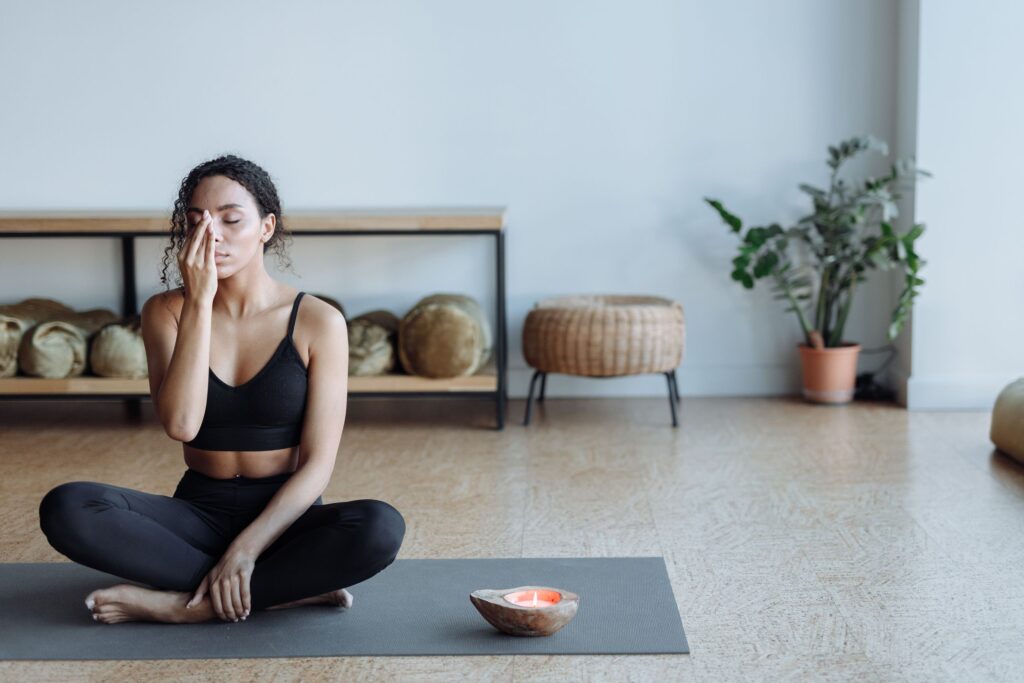
This might sound unusual, but it has a real mechanism behind it.
Making a steady sound, like humming, creates vibration in your throat and chest that stimulates the same calming nerve mentioned earlier.
How to do it Breathe in slowly through your nose, then hum gently as you exhale,
letting the sound last as long as your breath does.
Repeat for a minute or two.
A Few Notes Before You Start
Breathing exercises are generally safe, but if you feel dizzy or lightheaded, stop and return to a normal breathing pattern.
If you are pregnant or have a heart or lung condition, it is worth checking with a doctor before trying more intense techniques.
A Simple Way to Start
You do not need to master all three.
Pick one, the physiological sigh is a good place to begin, and try it the next time you feel anxiety rising.
Even one minute of intentional breathing can create a real, physical shift, not just a mental one.
If anxiety feels constant or overwhelming, breathing exercises can help in the moment, but they are not a replacement for support from a doctor or therapist.
Please reach out if you need more help than this can give.