Is Rest a Form of Self Care ?

If resting makes you feel guilty, like you should be doing something more productive instead,
you are far from alone.
Many people feel this way, especially those who care deeply about doing things well.
But rest is not the opposite of productivity. It is part of what makes it possible.
Why Rest Feels So Uncomfortable

For a lot of people, self worth becomes tied to achievement early on.
When that happens, stopping can feel unsafe, even when there is nothing wrong with slowing down.
This is sometimes called contingent self worth,
where your sense of value depends on what you accomplish rather than who you are.
This helps explain why rest can trigger guilt that feels similar to procrastination,
even though the two are completely different.
Procrastination is avoiding something you need to do.
Rest is not avoidance.
It is a necessary part of a functioning mind and body.
What Actually Happens in Your Body When You Rest

When you truly rest, your body shifts into what is often called rest and digest mode.
Your heart rate slows, your immune system function improves,
and your digestive system is able to work the way it is supposed to.
This is not laziness.
It is your body doing essential maintenance work that it cannot do while you are constantly active.
Large scale research on rest, involving over 18,000 people across many countries,
found that the amount of rest someone gets directly affects their overall wellbeing,
and how people perceived their rest mattered almost as much as the actual amount of rest itself.
In other words,
feeling guilty about resting can undermine the benefit of the rest you are getting,
even when you are technically taking a break.
Rest and Self Care Are Not Quite the Same Thing

This might surprise you.
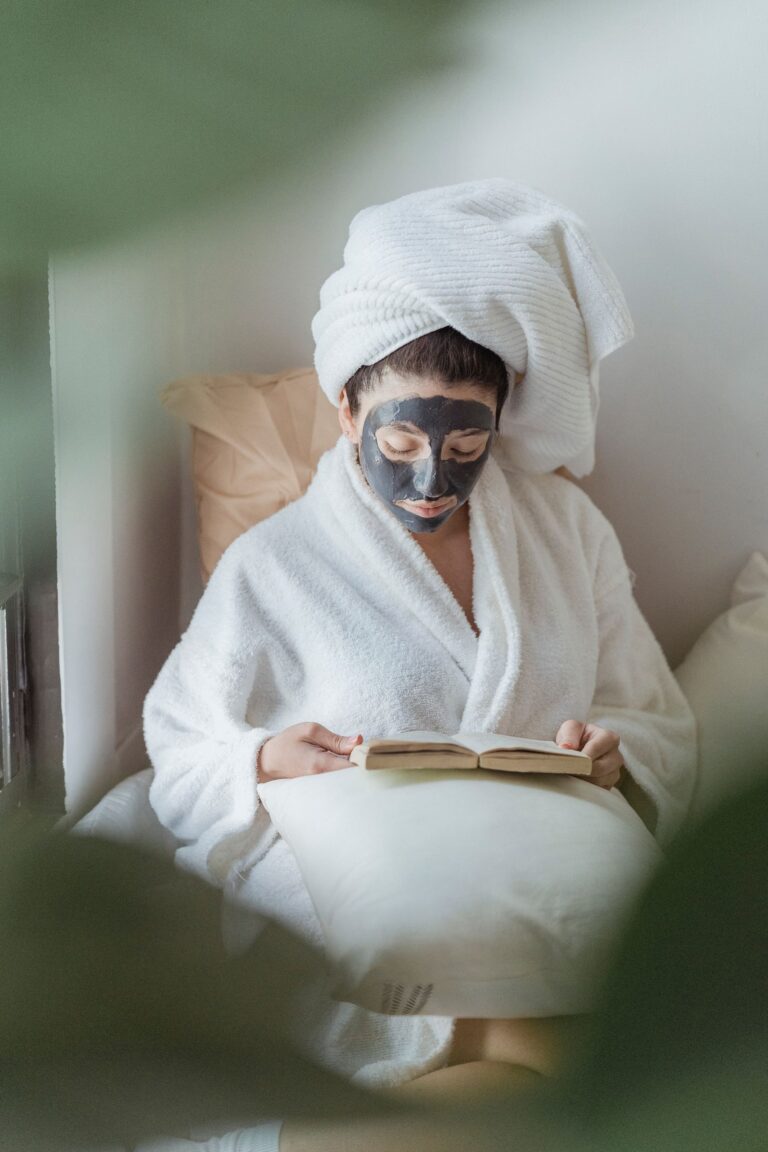
A bubble bath or a face mask can feel relaxing, but true rest is something a bit different.
It means genuinely stepping away, not just from tasks,
but from the pressure to be doing something useful the entire time,
even during moments meant for care.
This distinction matters because it means self care is not only about adding pleasant activities to your day.
Sometimes the most valuable form of self care is simply allowing yourself to stop,
without turning that stop into another task to optimize.
Why This Matters for Your Long Term Wellbeing

Research on burnout points to a pattern that builds slowly over time.
Constant pressure without real recovery leads to exhaustion,
difficulty concentrating, and eventually,
reduced ability to do the very things you were trying so hard to keep up with.
Rest is not what gets in the way of your goals.
Ignoring your need for it is often what does.
How to Start Resting Without the Guilt

You do not need to feel completely comfortable with rest before you allow yourself to have it.
A few small shifts can help
- Start with short breaks instead of trying to fully relax all at once
- Notice the guilt without immediately reacting to it or cutting the rest short
- Remind yourself that rest supports the same goals you are working toward, it does not compete with them
- Protect one small pocket of true rest each day, even ten quiet minutes with nothing required of you
A Gentle Reminder
If guilt around rest feels persistent,
tied to a pattern you cannot seem to shake even when you understand it logically,
that is worth talking to a therapist about.
This kind of guilt often runs deeper than a simple mindset shift can fully resolve,
and you deserve support in learning how to truly rest, not just permission to.