Why Protein Matters for Weight Loss
When people think about weight loss, they usually think about eating less overall.
But what you eat matters just as much as how much.
Protein plays a bigger role in this than most people realize.
Protein Keeps You Full
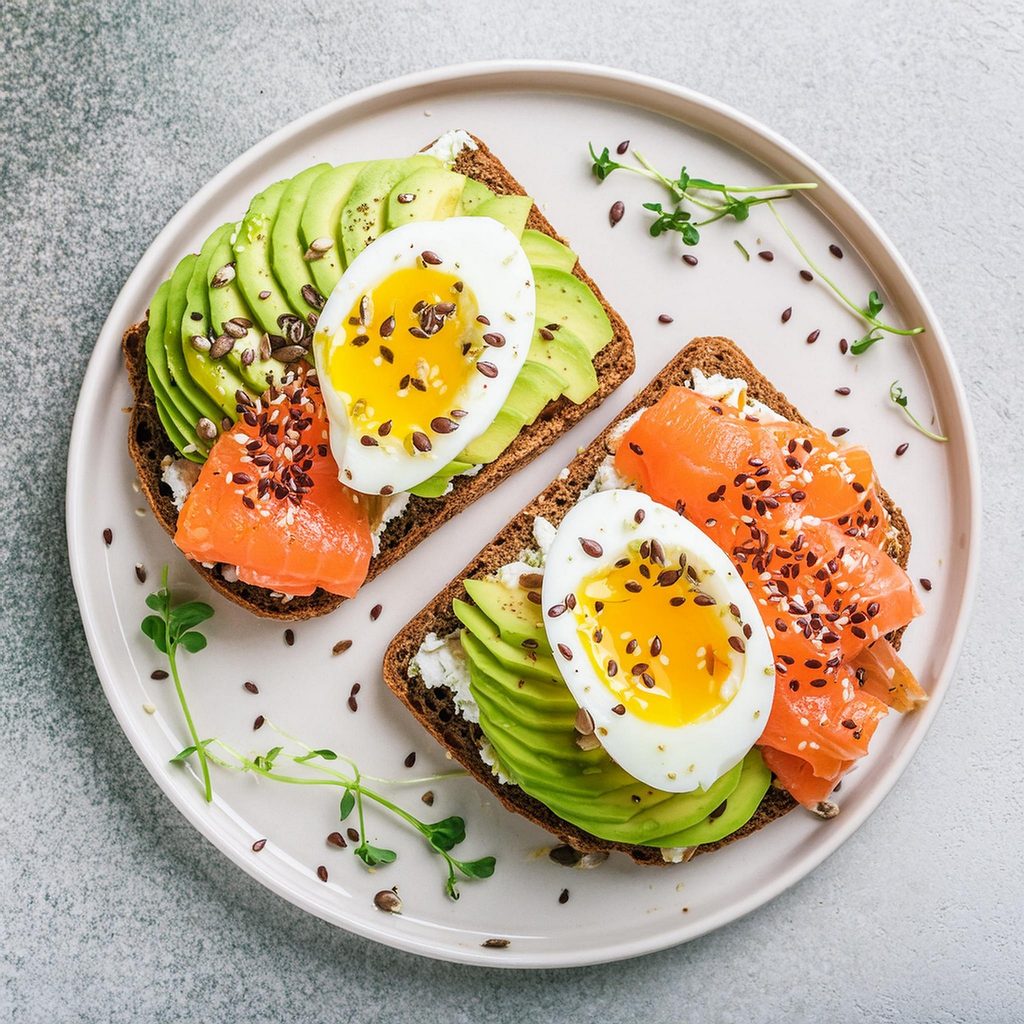
Protein is the most filling of the three main nutrients.
Research shows that higher protein intake increases satiety, which simply means it helps you feel full and satisfied after eating.
This matters because feeling hungry all the time is one of the biggest reasons people struggle to stick with a weight loss plan.
Enough protein at each meal can make eating less feel manageable instead of miserable.
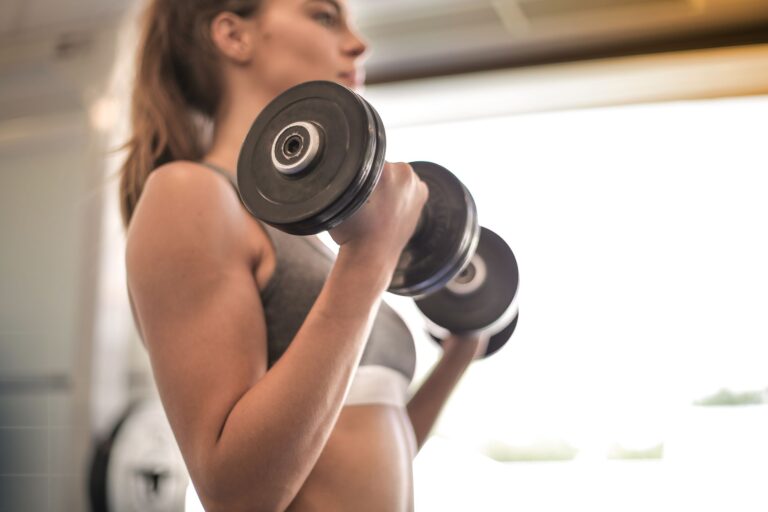
It Protects Your Muscle

This is the part most people miss.
When you lose weight, you do not only lose fat.
Without enough protein, you can lose muscle too, sometimes making up more than a third of total weight lost.
Muscle is valuable.
It supports your strength, your daily function, and how your body burns energy at rest.
Research backs this up clearly.
Studies have found that a higher protein intake helps preserve lean muscle mass during weight loss,
while diets low in protein are more likely to lead to muscle loss along with fat loss.
Losing weight without losing muscle leads to a leaner, stronger result, not just a smaller number on the scale.
It Supports Fat Loss Directly

Beyond keeping muscle intact, protein also appears to support fat loss itself.
Research has linked higher protein intake to increased energy expenditure and greater fat oxidation,
meaning your body becomes more efficient at using fat for fuel.
Some studies have specifically found reductions in visceral fat,
the deeper fat linked to health risks, in people eating more protein during weight loss.
How Much Protein You Actually Need
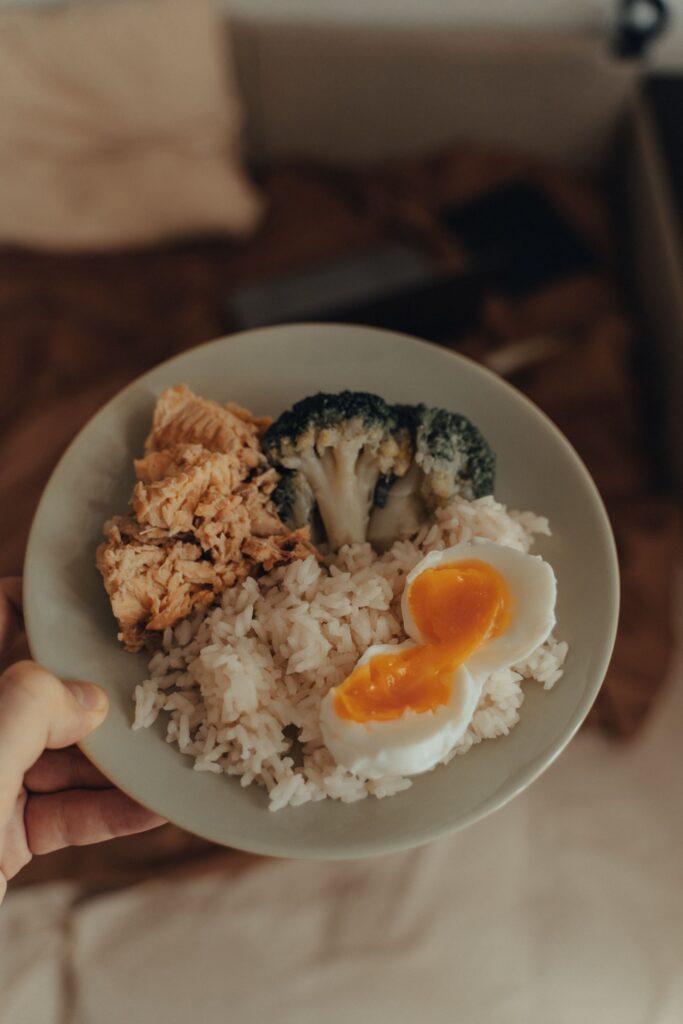
Research suggests aiming for somewhere between 1.2 and 1.3 grams of protein per kilogram of body weight each day during weight loss,
higher than the general recommendation for someone not actively trying to lose weight.
For a person weighing 70 kilograms, that works out to roughly 85 to 90 grams of protein a day.
A Simple Way to Start
You do not need to track every gram perfectly.
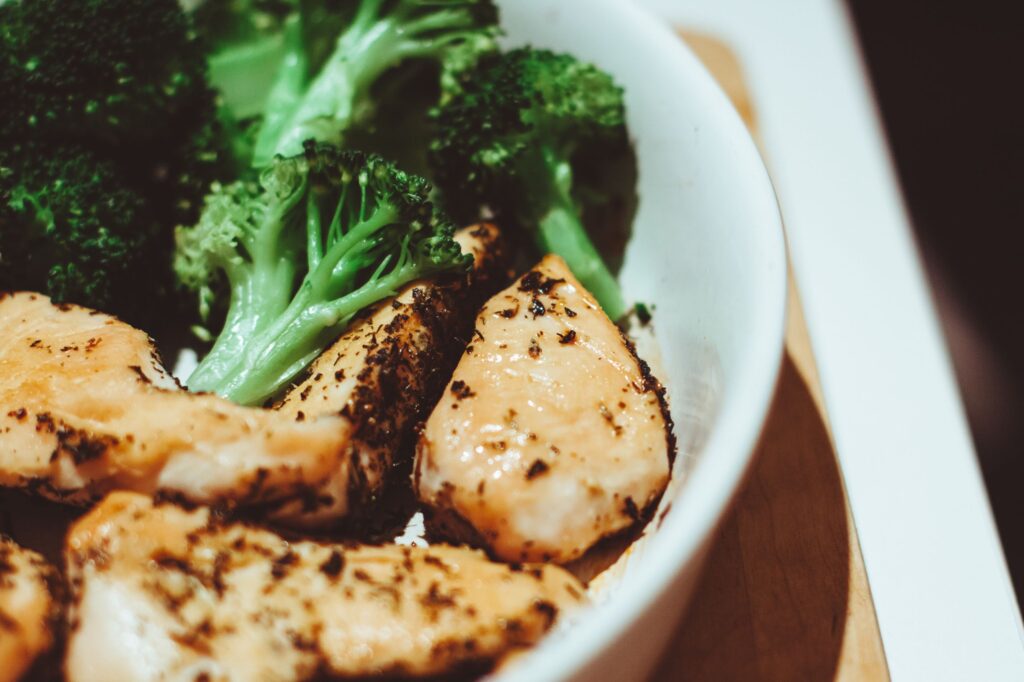
Start by adding a protein source to each meal, eggs or yogurt at breakfast, chicken or beans at lunch, fish or tofu at dinner.
This one shift alone can help you feel fuller, protect your muscle, and support the fat loss you are actually working toward.