What to Actually Eat After a Workout
If you’ve ever rushed to chug a protein shake within minutes of finishing a workout because you were worried about missing the window you can relax.
The research on this has actually shifted in recent years,
and it’s more forgiving (and more interesting) than the old advice suggested.
The Anabolic Window Myth, Corrected
For years,
fitness content pushed the idea of a razor thin 30 minute window after exercise where you had to get protein in or you’d lose out on muscle building gains.
A recent meta analysis re examining this question found there may not be a significant difference in strength or
lean body mass whether protein is consumed shortly before or shortly after a workout.
In other words the window is real,
but it’s much wider and much less punishing than chug it in 30 minutes or it doesn’t count.
That said, timing isn’t irrelevant it’s just less rigid.
A 2025 review found that the muscle-building machinery in your body remains highly receptive to nutrients for up to about 2 hours post-exercise,
with the strongest response typically in the 30–60 minute range.
If you can’t eat immediately,
you haven’t lost the opportunity you’ve just entered a slightly less optimal (but still very much useful) part of the window.
Why Carbs Matter Just As Much As Protein Here
Most post-workout advice fixates on protein,
but the research is clear that carbohydrates play an equally important arguably more time sensitive role.
Exercise depletes your muscle’s glycogen stores (your stored carb fuel),
and one study found that delaying carbohydrate intake by just 3 hours after exercise reduced next-day performance and increased fatigue,
even when total glycogen restoration looked similar 24 hours later.
That’s a meaningful finding it’s not just about how much you eventually eat,
it’s about when especially if you’re training again within a day or two.
The practical ratio research supports roughly a 2:1 to 3:1 carbohydrate to protein ratio after strength training enough carbs to replenish glycogen,
enough protein to support repair.
How Much Protein, Specifically
Based on current research,
aim for roughly 20–40g of protein post workout enough to meaningfully support muscle repair without exceeding what your body can actually use in one sitting.
Broader daily targets matter too multiple reviews recommend 1 to 1.2g of protein per kilogram of body weight per day for people focused on recovery and performance,
not just a single post-workout dose.
Don’t Skip Fat and Fluids Either
A 2025 analysis found that fat intake doesn’t meaningfully affect short-term recovery from a single workout,
but it does support recovery from longer-term,
lower-intensity training by helping your body maintain overall homeostasis.
The bigger practical takeaway from recent research
a combination of protein, carbohydrates, fat, water, and electrolytes together is a more effective recovery strategy than obsessing over any single macronutrient alone.
5 Post-Workout Meals That Actually Hit the Ratio
Each of these lands in that 2:1–3:1 carb-to-protein range,
with real food no powders required (though a couple work well with them too).
Greek yogurt + banana + honey (≈35g carb, ≈18g protein).
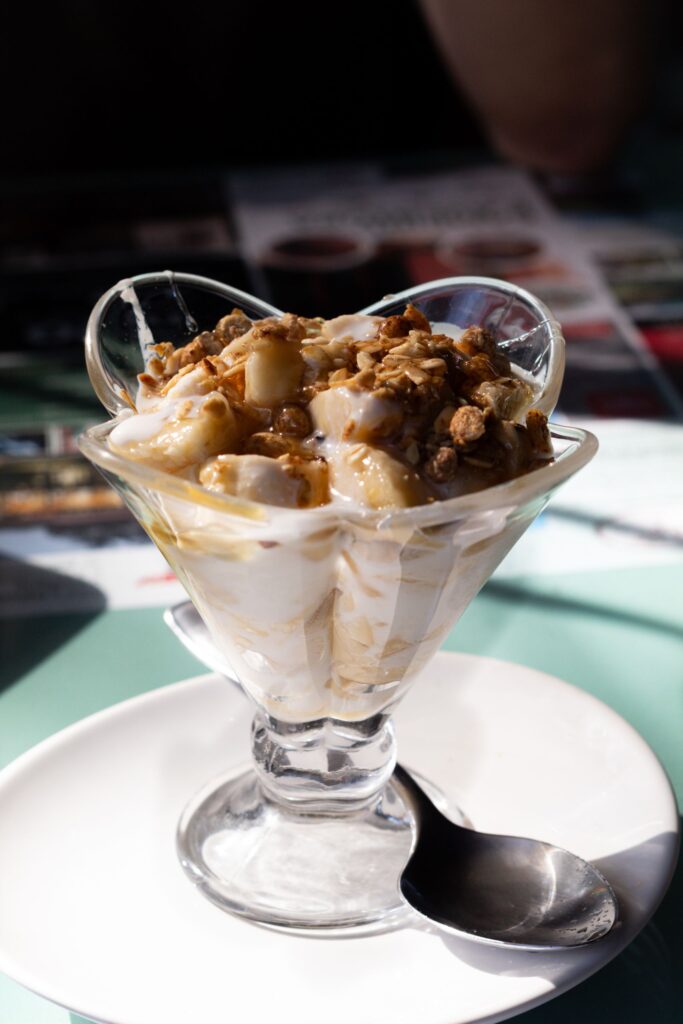
A fast, no-cook option.
The natural sugars in banana and honey replenish glycogen quickly,
while Greek yogurt covers the protein side.
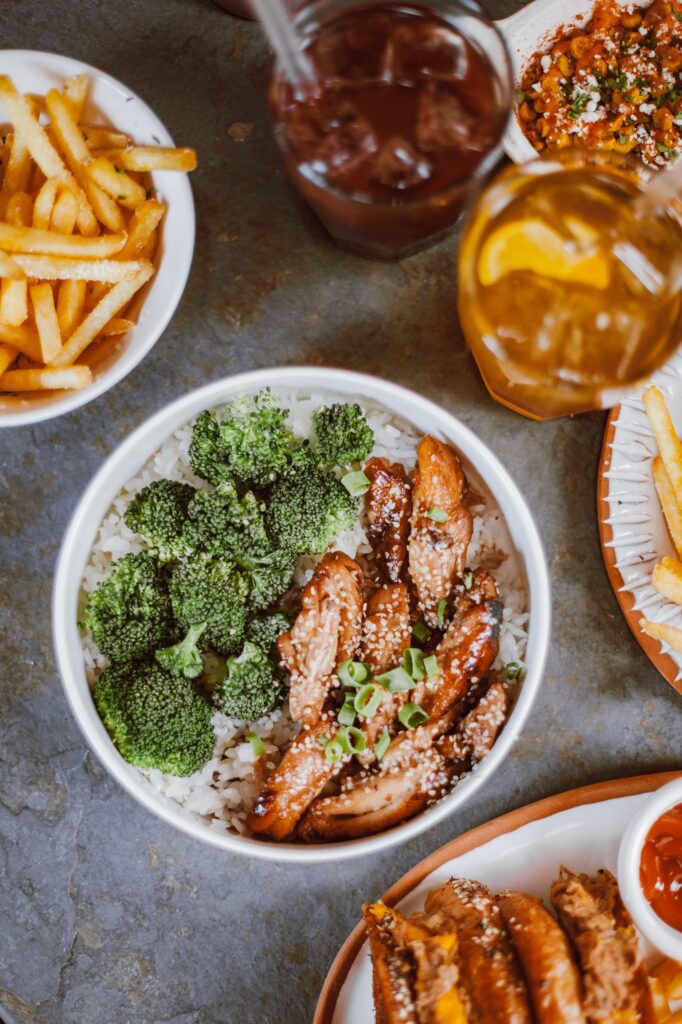
Chicken + rice bowl (≈45g carb, ≈30g protein).
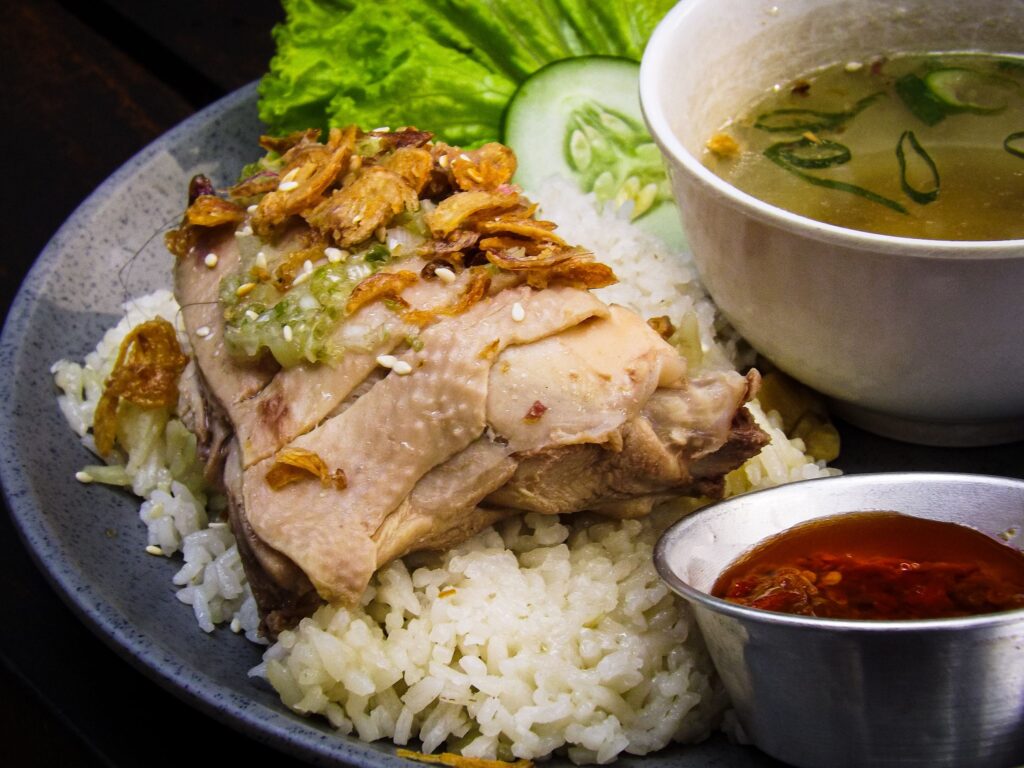
A simple grilled chicken breast over a cup of white or jasmine rice with a drizzle of soy sauce.
Classic for a reason the ratio lines up almost perfectly with the research-backed range.
Chocolate milk (≈24g carb, ≈8g protein per cup, doubled for a full serving).

Genuinely one of the most-studied post-workout recovery drinks in sports nutrition it naturally lands close to the ideal carb-to-protein ratio and requires zero prep.
Protein smoothie with oats and berries (≈40g carb, ≈25g protein).
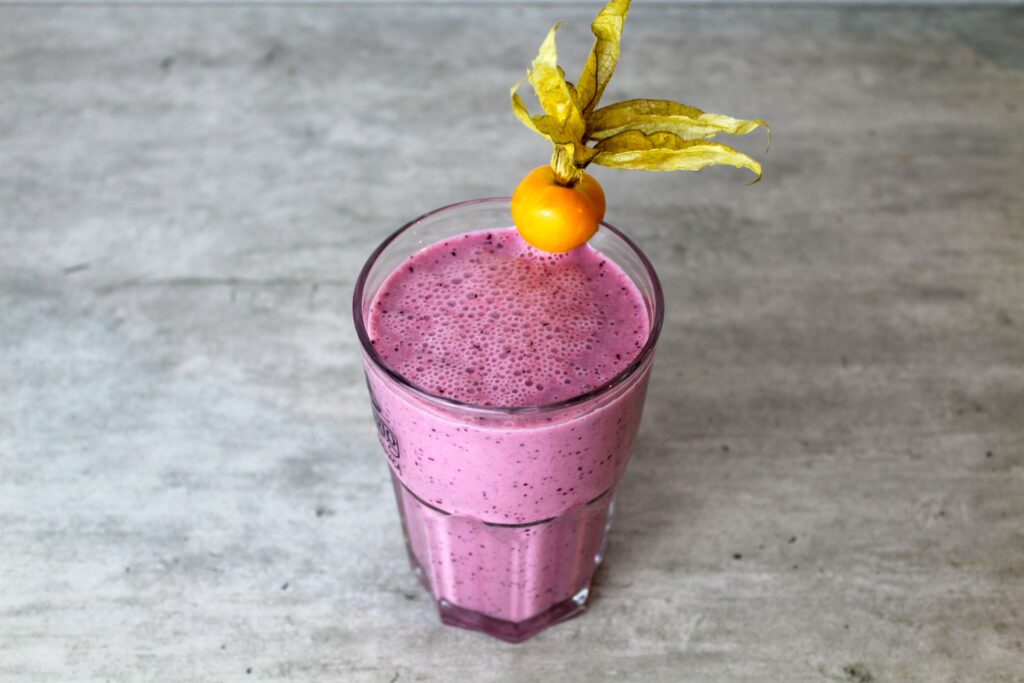
Blend a scoop of protein powder, ½ cup rolled oats, a handful of berries, and milk.
Good option if you’re not hungry enough for a full meal right after training.
Turkey and sweet potato hash (≈35g carb, ≈28g protein).

Ground turkey sautéed with diced sweet potato and spinach a heartier option for later in the day,
when you have more time to actually sit down and eat.
The One Thing to Actually Prioritize
If you take one thing from the current research stop stressing about hitting a 30-minute deadline,
and start focusing on actually eating a real meal with both carbs and protein within about 2 hours of training consistently.
The old anabolic window panic was solving for the wrong variable.
Consistency of real post-workout meals,
not precision timing down to the minute, is what the current evidence actually supports.