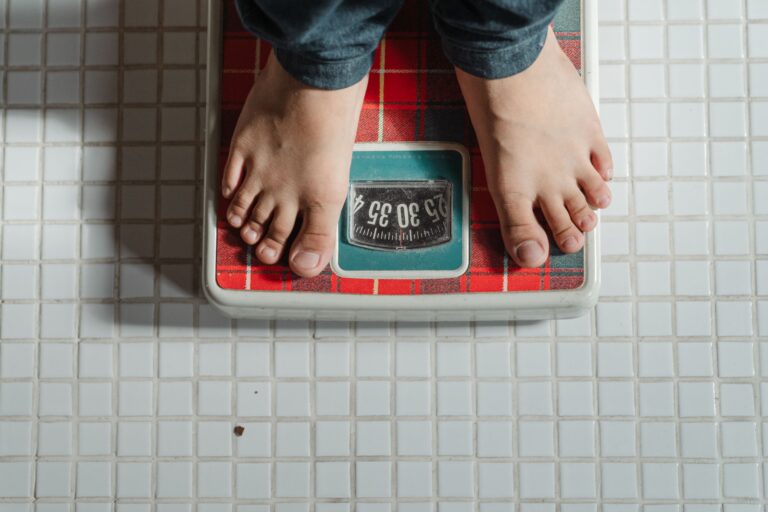
Why Weight Loss Slows Down Over Time

You did everything the same. Same food, same workouts, same effort.
And yet the scale stopped moving. If this has happened to you, please hear this first.
It is not you. It is not a lack of willpower. It has a name, and it happens to almost everyone.
You Are Not Alone in This

Research shows that roughly 85 percent of people trying to lose weight hit a plateau at some point.
That number matters.
If the scale has stalled for you, you are not the exception. You are the overwhelming majority.
This is simply part of the process, not a sign that something has gone wrong.
Why This Actually Happen

The main reason behind a plateau is something called metabolic adaptation.
As you lose weight, your body does not just burn fewer calories because it is smaller.
It actually slows down more than your smaller size alone would explain,
almost as if your body is protecting itself from continued loss.
Research published in 2025 found that after just a 10 percent reduction in body weight, total energy expenditure dropped by around 15 percent,
even after accounting for the smaller body.
In practical terms,
that can mean burning hundreds of fewer calories a day than you did when you started,
even though your effort has not changed at all.
There is a quieter piece of this too.
As you lose weight, you naturally move a little less throughout the day without realizing it.
You fidget less, walk a bit slower, sit a little longer.
Researchers call this a drop in non exercise activity, and it adds up more than most people expect.
The Scale Isn’t Only Measuring Fat

Especially early on, some of that fast initial drop on the scale is water weight, not fat,
as your body lets go of stored glycogen.
Once that shifts, the real, slower work begins.
This is often the exact point where people feel like progress has stopped, when in reality,
the easy water weight has simply already left, and fat loss was always going to be a slower process from here.
This Is Physiology, Not a Personal Failure

It is easy to internalize a plateau as a sign that you are doing something wrong.
But this response is expected, documented, and biological.
Your body is not working against your goals out of spite.
It is doing exactly what bodies are designed to do when faced with a sustained calorie deficit, protecting itself.
Understanding this can change how a plateau feels.
Instead of reacting with guilt, you can respond with strategy.
What Can Actually Help

A few things consistently show up in research as ways to work with this process instead of against it.
Reassess your numbers What worked as a deficit early on may now be closer to your new maintenance level,
since your body’s needs have changed as you have lost weight.
Prioritize protein and strength training Some of the weight lost during a plateau period can come from muscle, not just fat,
especially without enough protein or resistance training.
Protecting muscle helps protect your metabolism too, since muscle burns more energy at rest than fat does.
Consider a diet break Some research supports temporarily returning to maintenance calories for one to two weeks during a longer weight loss journey,
which may help ease some of the metabolic slowdown before continuing.
Watch stress and sleep Chronic stress raises cortisol, which can work against fat loss and contribute to water retention,
adding another layer of frustration on top of a plateau that is already happening for physiological reasons.
A Gentle Reminder
If the scale has not moved in a few weeks despite doing everything right, that is not evidence that you have failed.
It is evidence that your body is responding exactly the way research says it will.
This is the hard, quiet middle part of the process, not the end of it.
Be patient with your body. It is not against you. It is simply doing its job.