How Sleep Affects Weight Loss
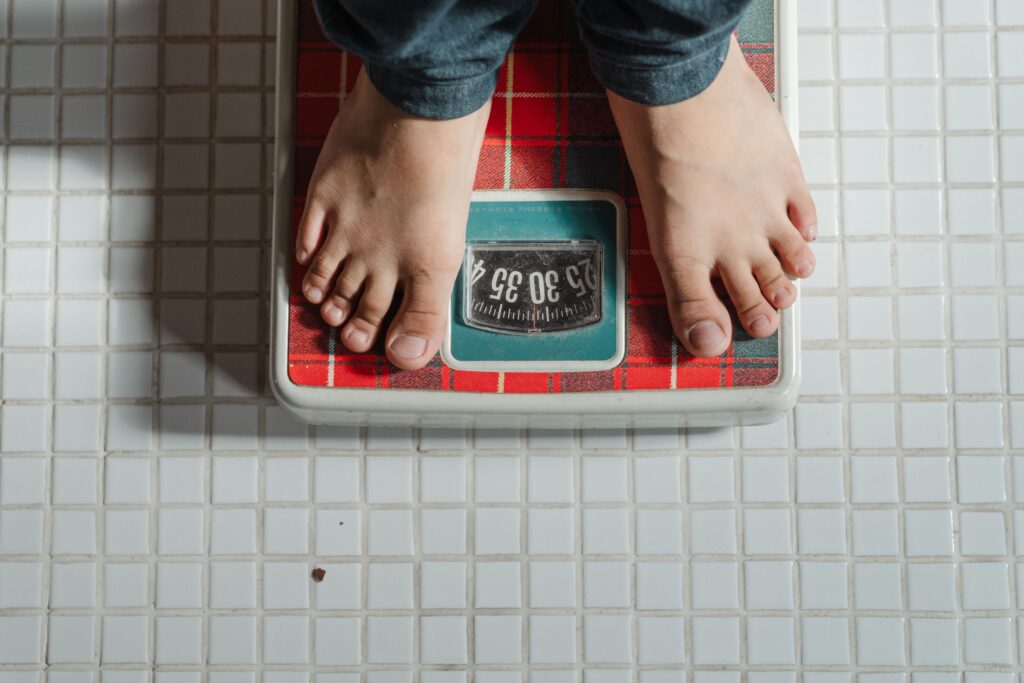
If you have ever eaten well and stayed active but still felt stuck with weight loss,
sleep might be the missing piece.
It is easy to overlook, but research shows it plays a bigger role than most people realize.
Two Hormones That Control Hunger

Your body uses two main hormones to manage hunger and fullness.
Leptin tells your brain when you are satisfied.
Ghrelin tells your brain when you are hungry.
When these two are balanced, your appetite generally matches what your body actually needs.
Sleep loss throws this balance off.
Research shows that even short term sleep loss can lower leptin, the hormone that signals fullness, while raising ghrelin, the hormone that signals hunger.
In simple terms, poor sleep can make you feel hungrier and less satisfied after eating, even if nothing about your food intake has changed.
Why One Bad Night Can Affect the Next Day

Studies looking specifically at sleep restriction, not just missing sleep entirely, found the same pattern.
When sleep was cut short by several hours a night, ghrelin levels rose and leptin levels dropped.
This connection has shown up across multiple studies,
which is part of why researchers now see sleep as a real factor in weight management, not just a background habit.
There is another layer here too.
Sleep restriction has been shown to increase how strongly your brain responds to unhealthy food.
This means a poor night of sleep does not just make you hungrier. It can also make less nutritious food look more appealing than it normally would.
It Is Not Just About Cravings

Beyond hunger hormones, sleep plays a role in how your body processes and stores energy overall.
Researchers continue to study new pathways connecting sleep and body weight regulation, including hormones only recently discovered that appear to influence appetite based on sleep patterns.
The science here is still developing, but the overall pattern has stayed consistent for years. Poor sleep tends to work against weight management, not for it.
What This Means for You
This does not mean sleep is the only factor in weight loss,
and it does not mean one late night will undo your progress.
But it does mean that consistently short sleep can quietly work against the very goals you are working toward with food and exercise.
If you have been focused entirely on diet and workouts without paying attention to sleep,
this is worth changing.
Not as another task to add to your day,
but as something that makes the other efforts you are already making work better.
A Simple Place to Start
Most adults need seven to nine hours of sleep a night.
If you are consistently getting less, even improving your sleep by 30 to 45 minutes a night can make a difference over time.
Pair this with a steady wake time and some morning light exposure,
and you are supporting the same hormonal balance that influences hunger and fullness every day.